

All stories · 16 October 2024
Architecture, engineering and branding
Why it’s now essential for companies in the engineering & architecture sector to build a strong brand identity.
Digitalization as a strategic lever to stand out in the AEC market
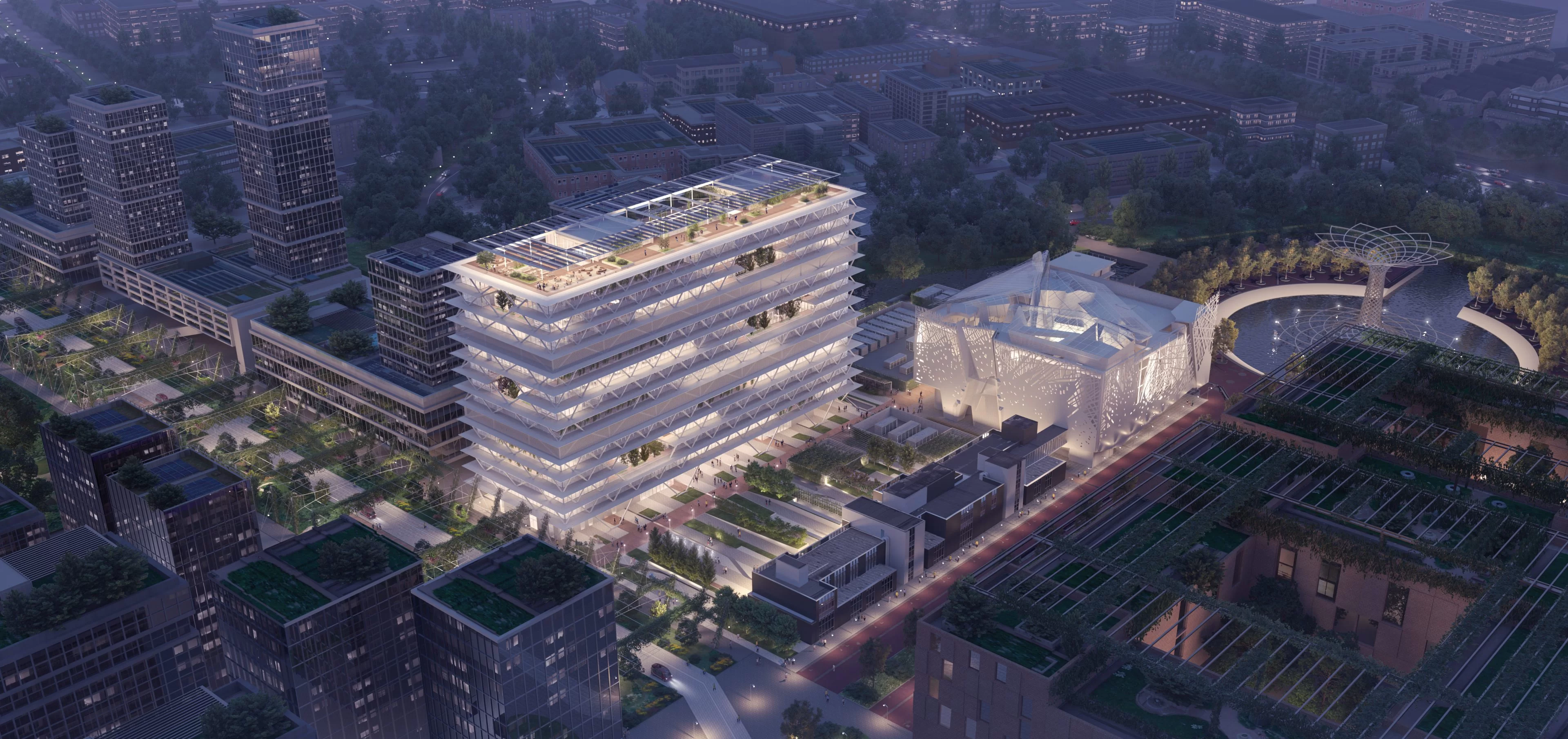
Growing digitalization has now radically transformed the way companies must approach communication, making the adoption of multichannel strategies essential rather than optional. By fully leveraging the potential of the web and social media, these strategies promote and enhance the perception of brand identity. This is even more crucial when operating in a highly competitive and fragmented context like the AEC market (Architecture, Engineering, Construction), where a very large—and constantly growing—number of competitors from both the engineering and architecture sectors often go head-to-head by offering overlapping services and expertise. Companies that have had the foresight to understand the importance of this strategic need are now able not only to stand out in a densely crowded landscape, but also to gain a significant competitive advantage in terms of recognition, consideration and reputation.
The value of our work lies precisely in our ability to develop a brand identity that clearly communicates the company’s values, vision and uniqueness through a distinctive and consistent narrative that resonates in the minds of clients and stakeholders. This is paired with modern production of written and visual content, strategically distributed across all company touchpoints, enabling our clients to showcase their expertise and capabilities at their best—turning the adoption of advanced digital tools and a strong online presence into catalysts for new business opportunities and into key elements for strengthening customer trust and amplifying the added value of the brand.
The market context for engineering and architecture firms
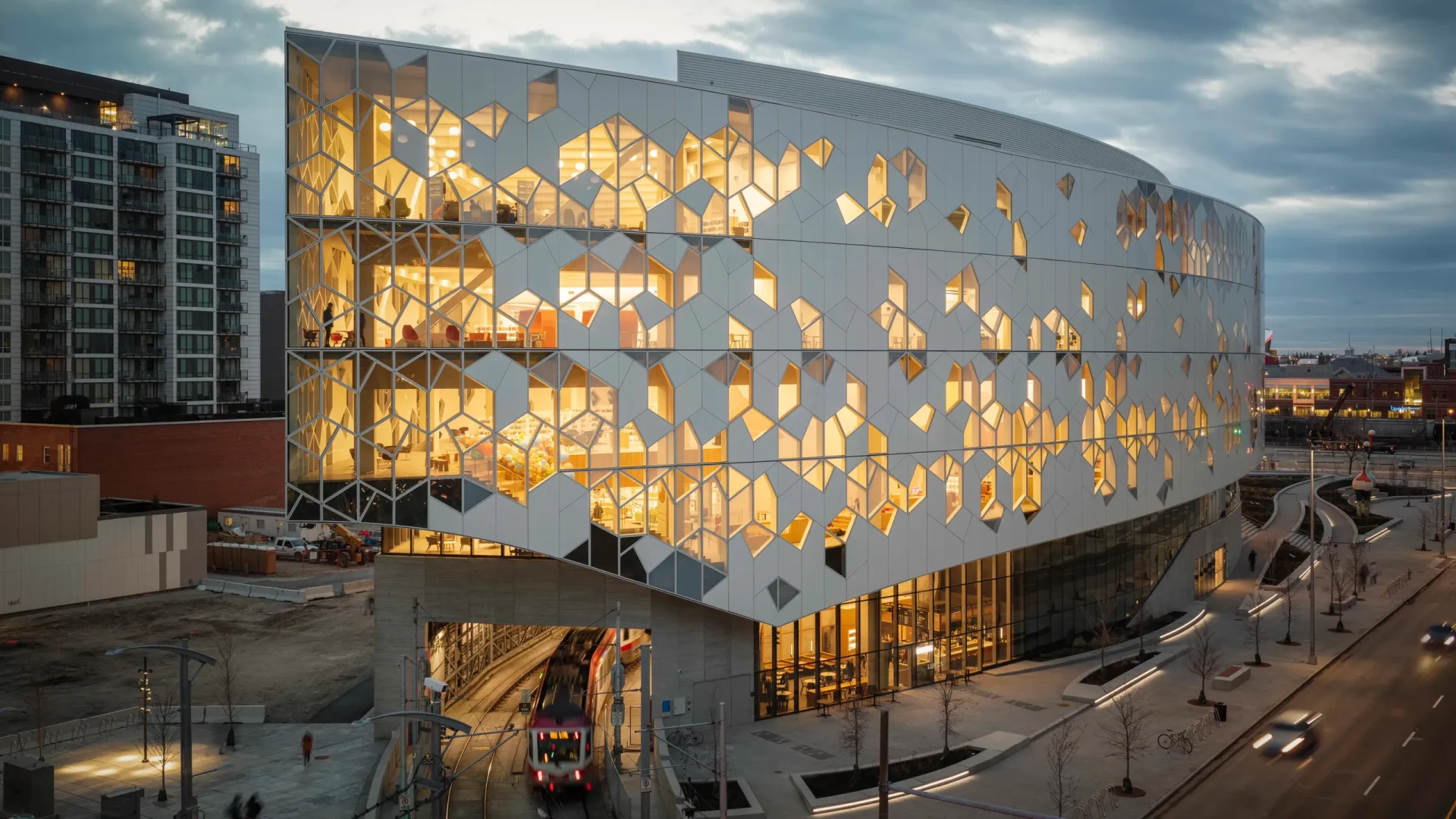
But let’s start with a few numbers. Although the war in Ukraine, the conflicts in the Middle East, the energy crisis and the ongoing shifts in monetary policy had suggested a possible recession, the 2023–2024 two-year period turned out to be perhaps not as stable as hoped, but decidedly positive overall. The OICE/Cer 2024 Report confirms an 8.1% increase in turnover and a 9% rise in employment compared to 2023, which—with over €3.9 billion in production value (+24.9% vs 2022)—was already considered a year of strong growth. The positive trend of the Italian market has undoubtedly been driven by, and will continue to be at least through 2025, funding from the Piano Nazionale di Ripresa e Resilienza (PNRR) of the Unione Europea, which is supporting major investments in infrastructure, energy security and power grids.
Despite these encouraging figures, it’s important not to forget that the reality still hides several factors of concern that the sector experiences as real constraints on growth and that, for us brand designers, represent elements to evaluate carefully:
- Tighter monetary policy and rising interest rates;
- The conflict in Ukraine and uncertainties in the Middle East affecting global geopolitical balances;
- Sharp increases in energy and raw material prices;
- High inflation and reduced household purchasing power;
- Reduced tax incentives for energy-efficiency upgrades in buildings;
- The continued rise in the costs of construction materials, labor and site expenses;
- High levels of debt among sector companies;
- Growing difficulty in accessing credit;
- Difficulty in finding qualified staff (technicians, designers, engineers, architects, project managers);
AEC: a highly crowded, fragmented and overlapping market
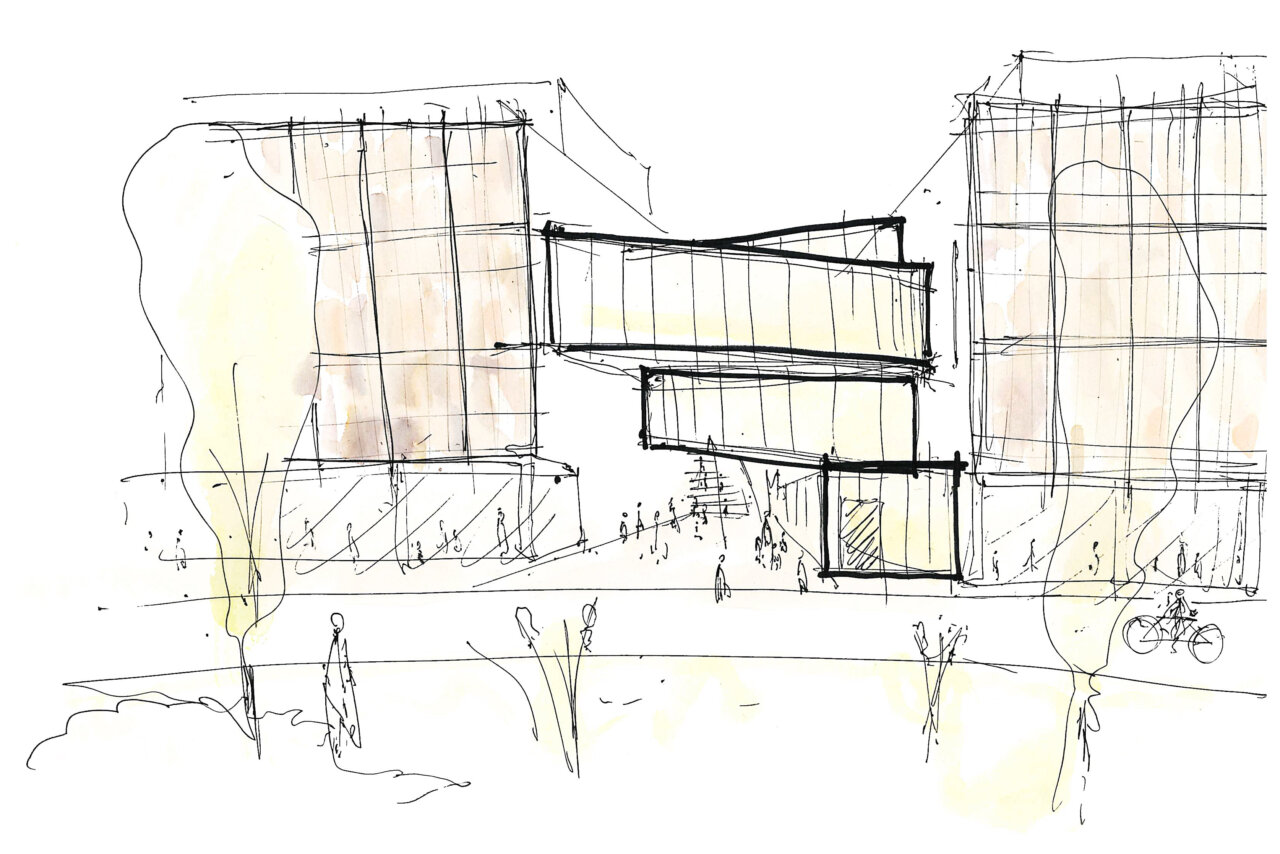
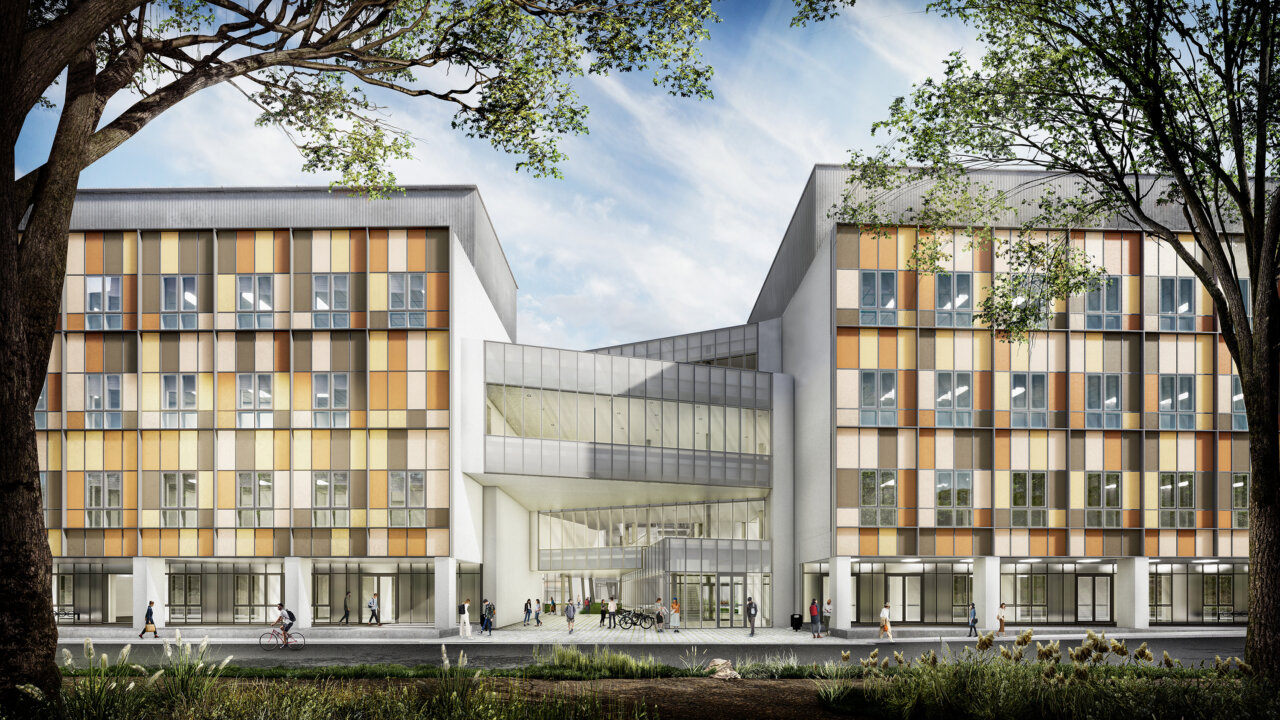
Despite the necessary differences in size and specialization among companies, firms and freelancers, Italy’s engineering and architecture landscape includes over 250,000 professional entities—an extremely high number. Italy also ranks second in the world for the number of internationalized companies, behind only superpowers such as the United States and China. Considering the sheer number and complexity of players, the Italian AEC (Architecture Engineering Construction) industry shapes up as an extremely competitive environment, a factor that clearly has a significant impact on any strategic repositioning strategy.
Another aspect that matters from a branding standpoint is that—from design to feasibility studies, from BIM to bid preparation, from on-site technical management to Project and Construction Management—both large architecture firms and major engineering companies often offer integrated, multidisciplinary services that overlap, making it difficult in some cases to clearly understand the true nature of their core business.
High fragmentation is in any case a typical feature of Italian SMEs, and the AEC market is no exception. Fortunately, in Italy it is possible to access major contracts such as public tenders also through the legal structure of the Consorzio Stabile: an entity предусмотрено by the “Codice dei contratti pubblici” that allows the technical capabilities, resources and requirements of multiple consortium companies to be combined without this constituting subcontracting.
The AEC world and the new frontiers of marketing
Architecture and engineering firms have only been able to promote themselves freely since 2012, following the introduction of Article 36 of the professional code of conduct, which states that “informational advertising is permitted by any means (…) provided it is relevant to the service offered, truthful and correct, and does not breach professional confidentiality; it must not be ambiguous, misleading or denigratory”.
Perhaps this is why the AEC sector has not historically developed the same familiarity with web-, social- and mobile connectivity-driven marketing strategies that are changing the way everyone does business, sells, and tells brand stories. It’s no coincidence that there are still many organizations that need to evolve their communication approach by adopting multichannel strategies through which to convey a properly positioned visual and verbal identity, capable of providing concrete answers to the needs of their potential clients.
AEC market trending topics: sustainability and innovation to build tomorrow
The AEC market also features specific topics and trends that influence the development of an effective brand identity. By 2050, nearly 80% of the world’s population is expected to live in cities. A progressive and ongoing urbanization process that is driving a radical shift in the way urban settlements are designed, organized and built. No longer just functional clusters of buildings and services, but true growth-oriented ecosystems where people can live according to the highest human and environmental standards. It is undoubtedly a complex and highly responsible task that construction engineering and architecture are called upon to address within a limited timeframe. Environmental, economic and social sustainability, Project and Construction Management, Building Information Modeling (BIM), resilience, lifecycle and long-term management of the built environment are all themes that already provide a clear indication of the key elements to consider in terms of positioning.
Innovation, specialization and scaling up: three interconnected trends
From BIM to the virtual construction site, from augmented reality to the metaverse, innovation in AEC processes now affects every area. So much so that even construction companies—once resistant to change—are now open to using digital design systems. This push toward innovation is leading engineering and architecture firms to become increasingly structured, organized and multidisciplinary companies, able to support clients not only in traditional professional activities but also in the overall management of projects and innovation processes—ready, therefore, to raise their level of specialization and expand the number of professionals on their teams.
We’re talking about a trend that is now well established and confirmed every year by various data points: the growth in the number of employees, the increasing demand for certified staff (+26.6% in 2022 and +27.5% in 2023), and the areas where sector companies are directing investments (training +27.8%, hardware +25.3%, BIM software +24.3%). It’s no coincidence, then, that although 85% of Italian companies are facing difficulties in finding new professional profiles, 63.5% of them expect to further increase hiring during 2024. This is why multidisciplinary expertise, the reliability of work teams, know-how, and company culture, vision and values are now central elements in building a strong brand identity.
Understanding the stylistic approach of the AEC market
Both verbally and visually, the AEC world’s “vocabulary” refers to clear, defined parameters. Driven by the rigorous and modern stylistic approach of major architecture firms, the engineering and construction sectors are also recognizing the need to build the right brand perception. While allowing for the necessary distinctions and customizations, trends are therefore becoming conceptually more uniform. In the architecture and engineering sector, rigor and synthesis—almost like in the world of fashion brands—are predominant, while in the world of consortia, project management, real estate investors and construction companies there is still greater formal freedom. Knowing in detail the stylistic references to follow and their nuances, having internalized them in our approach to design and content production, being familiar with the different trends, and having tested and applied them across multiple successful projects is undoubtedly an added value that Zaki can bring to the table.
A branding approach already tested for companies in the AEC market
When at Zaki we take on a new brand design project, we always start from our clients’ marketing objectives, aligning them with a careful multilevel analysis that evaluates several factors: market, competitors, targets and personas, distinctive features, strengths and weaknesses of the offering, style, objectives, personality, organization, touchpoints, customer journey, web data, etc. All elements whose careful assessment is essential to develop a solid brand identity.
A brand is in fact a conceptual entity that governs what we call strategic positioning (the distinctive place that a brand or company occupies in the customer’s/consumer’s mind compared to competitors). For Zaki, creating the right brand perception means building an imaginary made up of characteristics and values that shape the brand image (the synthesis of the opinions the public holds about a brand and its products). This construction (brand equity), one of the most important assets in determining a company’s success, is expressed across three interconnected areas that we develop with care:
- Brand essence: the heart of the brand, its soul. An intangible value that defines the ultimate purpose of the brand’s very existence. It therefore significantly influences all aspects related to defining the brand personality and strategic content (values, mission, vision, objectives, etc.).
- Brand identity defines how the company wants to be perceived by its target audiences. It is what makes a company recognizable, unique, memorable and meaningful within its market. It consists of visual identity (logo, colors, fonts, icons, graphic elements, as well as images, photos and videos) and verbal identity (voice, tone of voice, brand name, payoff, expressive style).
- Brand experience is the ultimate outcome of our brand-building process and includes the set of conditions, actions and content created by a brand to positively influence an individual’s engagement with a specific product or service. In this sense, for us it is not only important to define a strong Customer Value Proposition (CVP) to be applied throughout the entire customer journey (the process of interaction between customer and company that takes place across various touchpoints—both physical and digital), but also to develop approaches, content, messages and communication tools that enhance and facilitate the user experience, turning the brand into an experience to live and share.
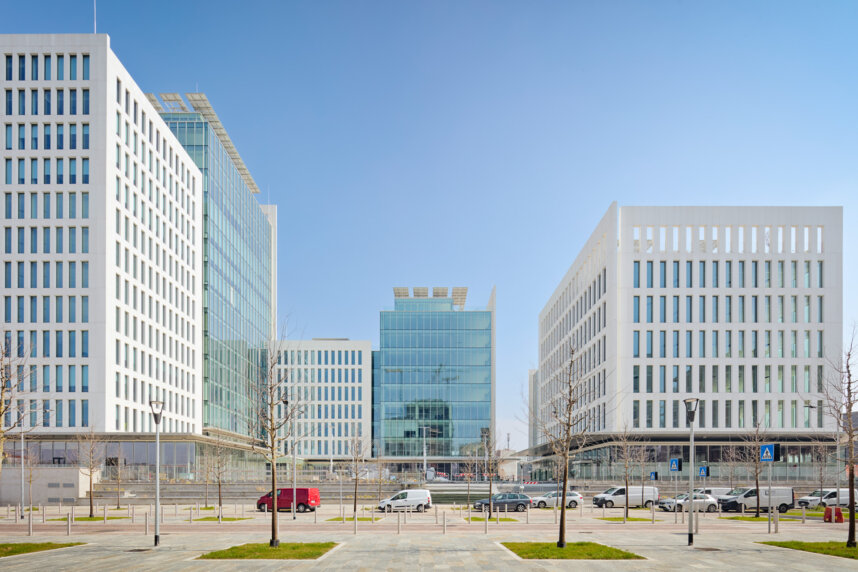
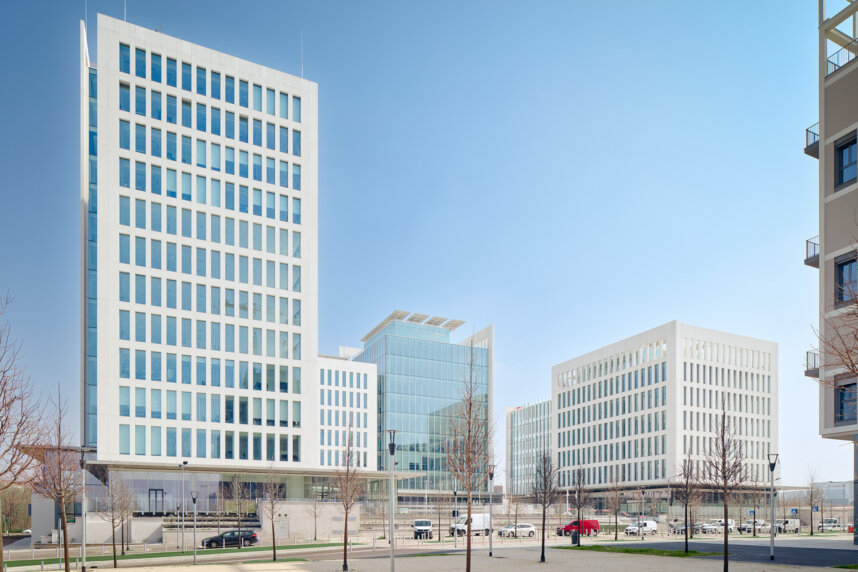
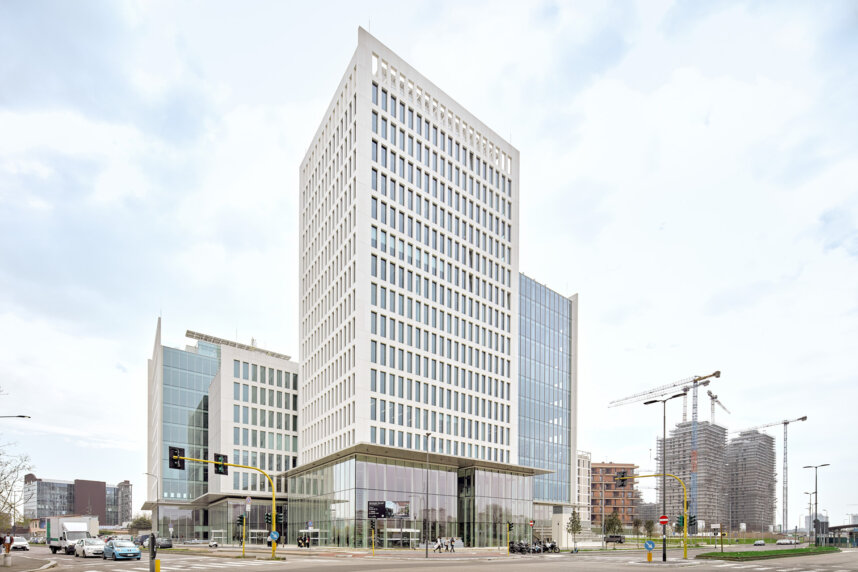
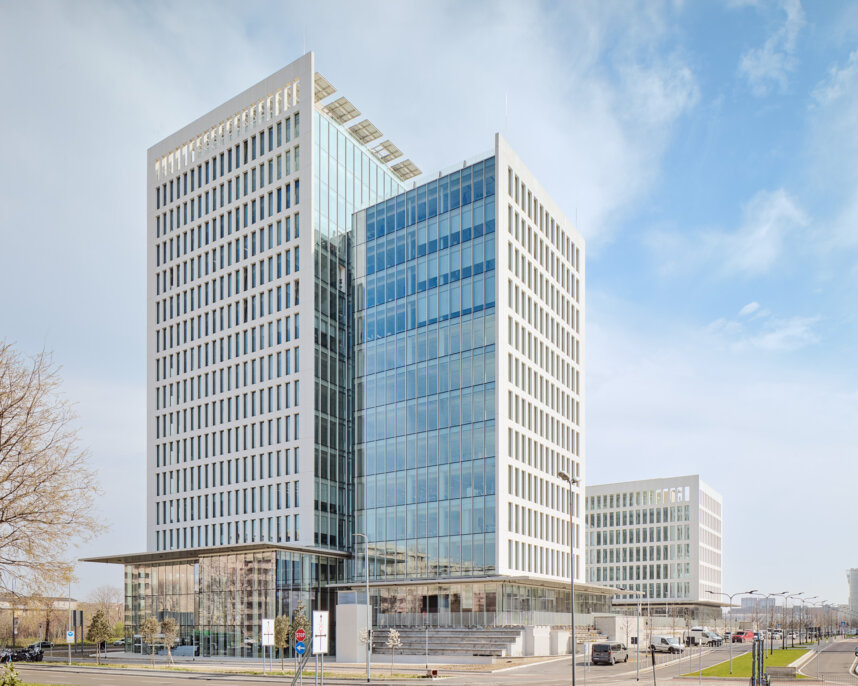
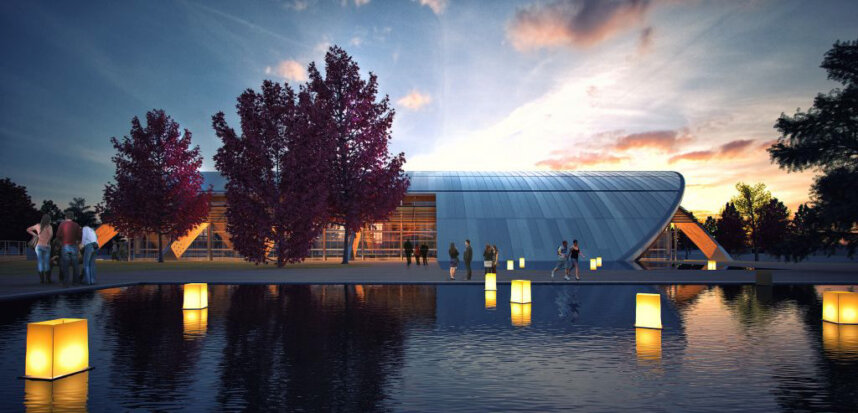
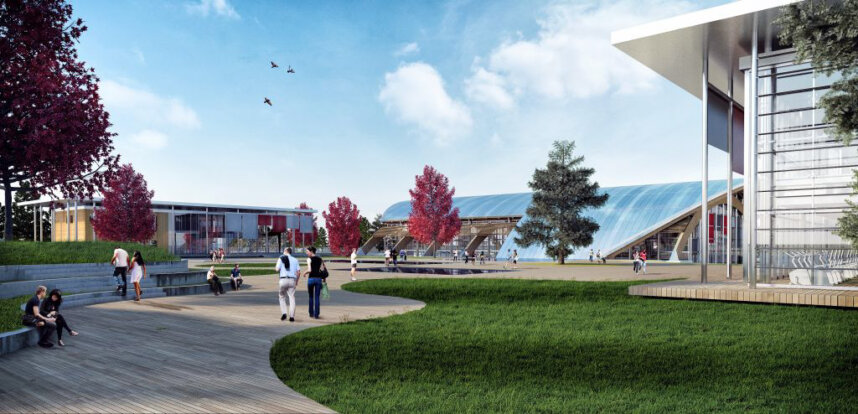
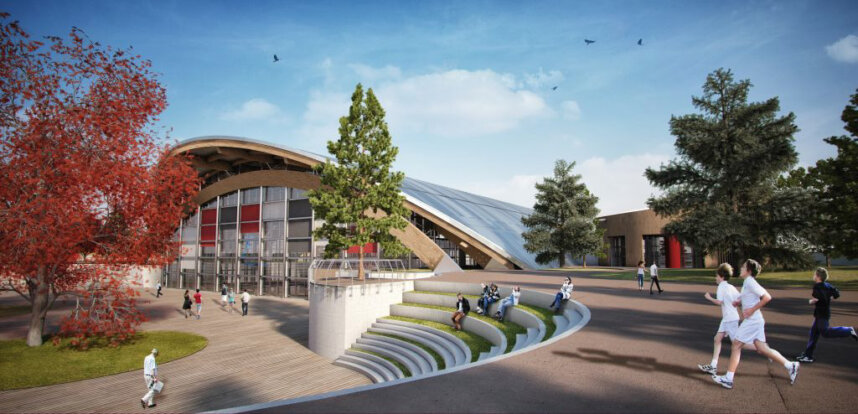
Zaki and the AEC world: two of our successful case studies
Zaki has already delivered numerous projects in the AEC sector, a field in which we have built solid experience. Below are two successful rebranding examples completed for two leading firms on the national scene.
ATI Project: a rebranding project that set the standard
With an annual turnover of over €25+ million, ATI Project now ranks third among the largest architecture firms in Italy. Founded in Pisa in 2011 by Branko Zrnic and Luca Serri, it is now an international firm that, in just over ten years, has grown to more than 350 collaborators with an average age of just 32 years. In addition to its Tuscan headquarters, the company has offices in Belgrade, Copenhagen, Geneva, Milan, Odense, Paris and Tallinn.
B&B Progetti: promoting BIM specialists
Founded in 2009 by Giampiero Brioni, B&B Progetti is an architecture and engineering company specialized in cost engineering and project & construction management that, over the last three years, has tripled its turnover and reached 30 collaborators across its offices in Milan and Pescara. The company’s standout strength is the high level of specialization achieved by its team of engineers and architects. The use of the most up-to-date software, within a BIM framework, enables the production of high-level deliverables that can be perfectly integrated across all engineering disciplines (structures, systems, services).

Related stories
All stories
Zaki tells the story of Delta-ti’s 50 years




Get in touch!
Whether it’s well established or still to be built,
we work on the best communication for your brand.