

All stories · 22 August 2023
The awakening of followers in the world of influencer marketing
Decline or change?
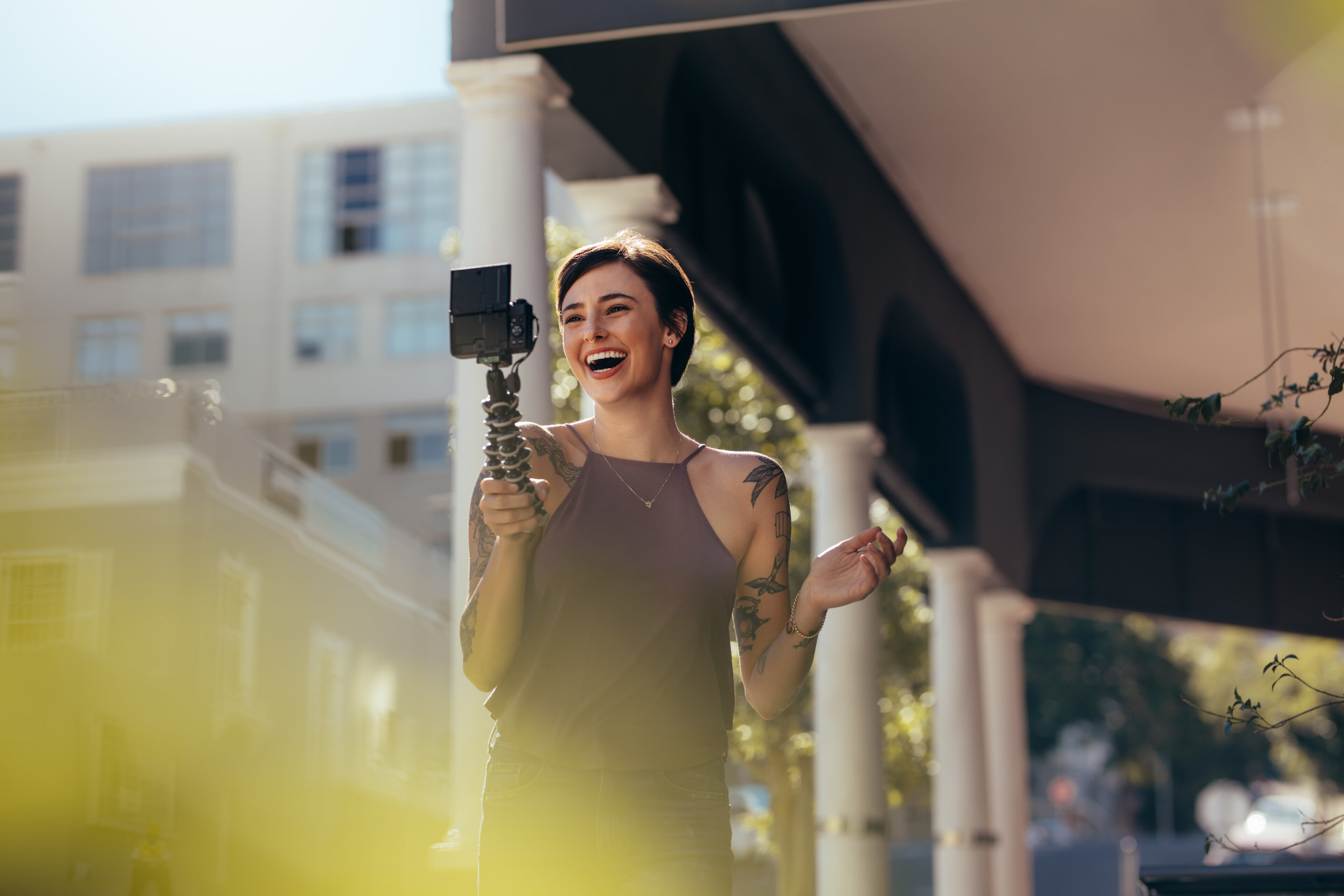
In an increasingly connected world, where the words “like”, “share” and “follow” have become part of our everyday vocabulary, a figure has emerged—some time ago now—that is reshaping the way companies communicate: the influencer.
In the vibrant digital universe, influencer marketing has established itself as one of the most talked-about and sought-after communication strategies. But like any trend that takes centre stage, it comes with both challenges and opportunities. And, surprisingly, the real revolution may not come from influencers themselves, but from the people who follow them.
Modern word of mouth and its commercial core
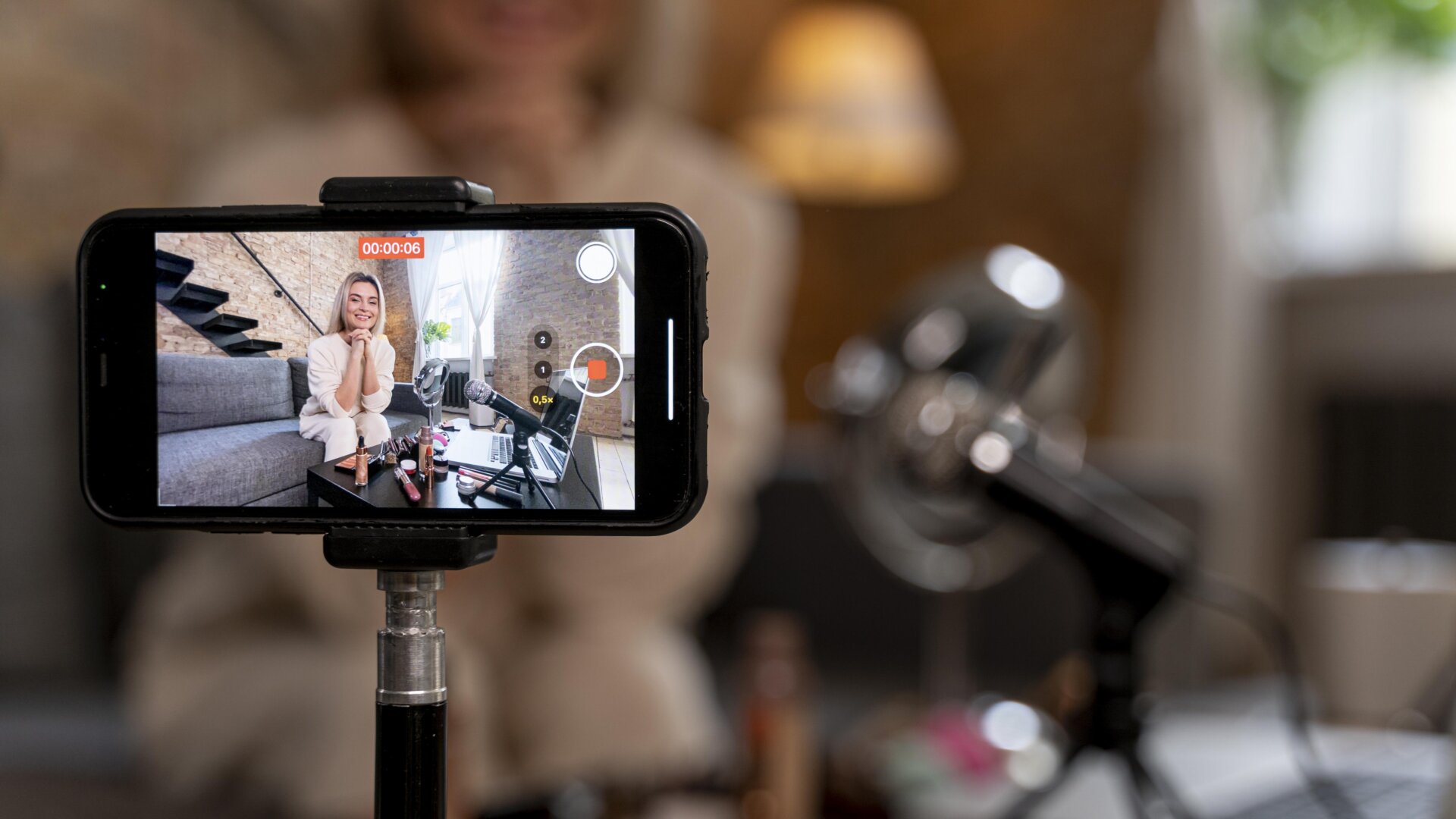
Influencer marketing is the word of mouth of the new millennium. But unlike the genuine recommendations we share with friends, here there’s an entire commercial ecosystem powering every post, every story and every video. Influencers, with their huge followings, have become consumers’ new “friends”—often with a commercial agenda behind every tip and recommendation.
The appeal of influence and the awakening of the follower
Companies, always quick to embrace new trends, have adopted influencer marketing with enthusiasm. But while influencers continue to dominate the spotlight, a new trend is emerging: the awakening of the follower.
Followers, once seen as passive spectators, are becoming increasingly active and critical. They’re realising that behind a veneer of authenticity, there’s often a more commercial—and less genuine—reality.
As a result, growing awareness is taking shape within communities. Starting from social platforms, people are beginning to voice their opinions, challenging and questioning influencers’ authenticity. This awakening marks a turning point: followers are recognising that real power lies in their hands. They have the control—and the ability—to shape an influencer’s reputation.
The “rebellions”
One case above all was an initiative by fast-fashion giant Shein, known for producing collections at lightning speed and at low prices, while also maintaining production rhythms that are unsustainable both environmentally and socially (for its employees). The company invited some of the most famous influencers in the United States to visit its factories in Canton, China, and the guests praised the company’s transparency on social media, calling it “surprising”. As you might imagine, the operation came across as suspicious and rather clumsy—so much so that communities pushed back, leading some influencers to remove photos and videos of their tour and apologise to their followers for sharing an unrealistic account.
A fairly striking example of a “wrong influencer” was the choice made by beauty giant Douglas, when for its #innerbeauty campaign it selected influencer Veronica Ferraro. At first glance she might have seemed like the perfect fit—female, over 30 and interested in the beauty world—but the highly filtered, unnatural representation she consistently uses in her storytelling didn’t align with the idea of “natural” promoted by Douglas. The result? The community turned against that portrayal, to the point that the company ended up disabling comments on posts related to the promotion.
Finally, a fun fact from across the Atlantic about the origin of the brand name “SKIMS” by Kim Kardashian, who announced the launch of a new shapewear line called “Kimono”. Many people—including her own social community—criticised the name, arguing it was insensitive and inappropriate to commercially appropriate the term “kimono” (a traditional Japanese garment). Following the backlash, the influencer changed the name of the line to SKIMS. The power of followers.
The age of digital awareness
While influencer marketing remains a powerful strategy, it’s clear we’re entering an era of greater digital awareness. Followers, armed with critical thinking and a demand for authenticity, are rewriting the rules of the game. And in this new landscape, companies must be ready to navigate uncharted waters, where authenticity and transparency are more valuable than ever.

Related stories
All stories
Zaki tells the story of Delta-ti’s 50 years




Get in touch!
Whether it’s well established or still to be built,
we work on the best communication for your brand.