

All stories · 24 January 2024
Visual pollution and how to protect yourself
Desktop publishing, AI, consumerism, Comic Sans and other calamities.
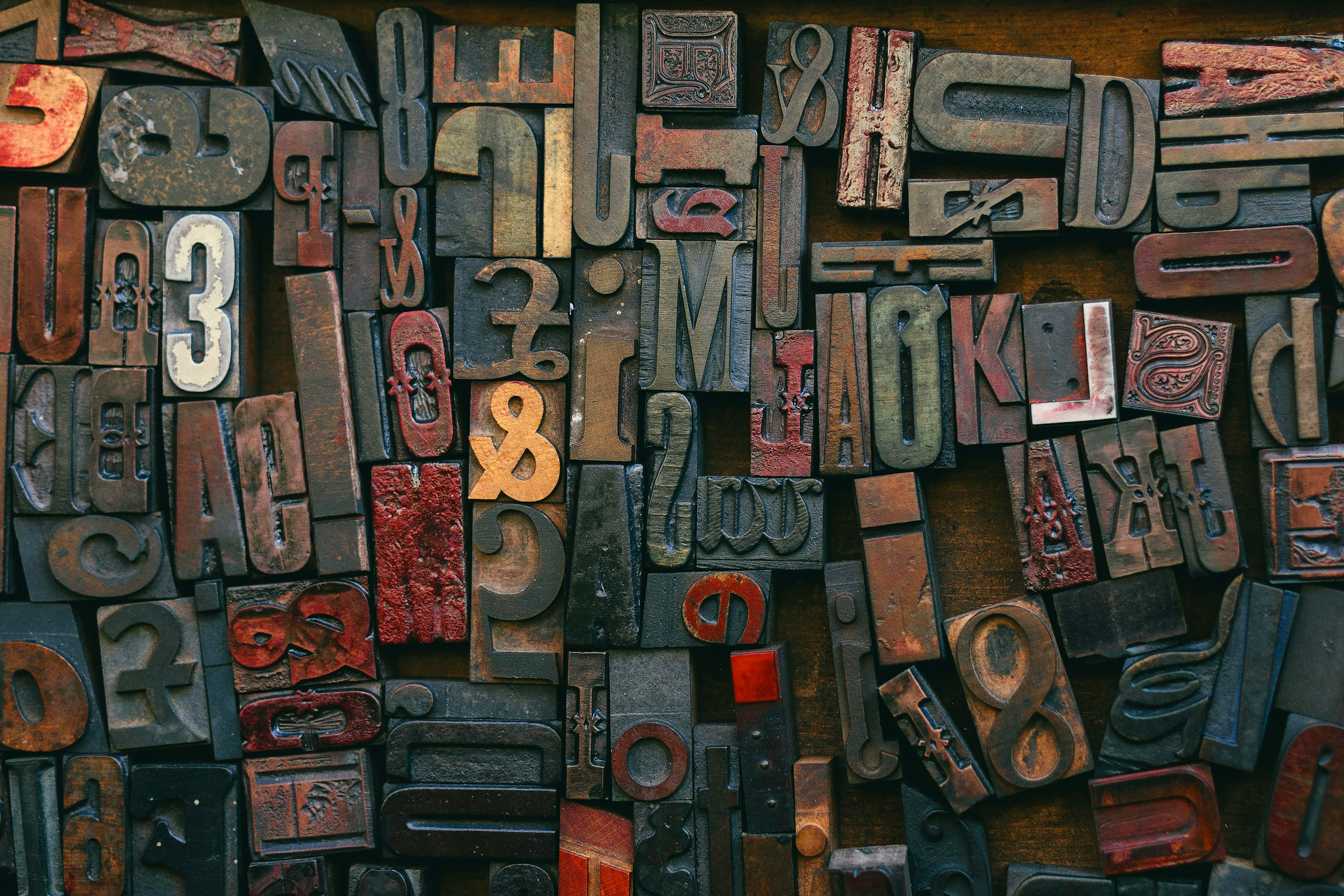
The Vignelli Canon
“Creativity needs the support of knowledge in order to express itself at its best”, wrote Massimo Vignelli, who evidently believed—rightly so—that he possessed enough of it to allow himself statements like this. It was 2009 and, with the publication of The Vignelli Canon, he laid out his own guidelines for understanding graphic design, with particular reference to its typographic component.
The aim—clear from the outset—is to do everything possible to define design not as a particular style or a temporary fashion, but as a discipline governed by precise semantic and syntactic criteria, grounded in responsibility and integrity. Yet some of the most interesting passages in this manual—without taking anything away from the sacred practical commandments it dispenses—are the critical, forceful ones directed at a series of evil entities that undermine his vision.
First, he reproaches that segment of colleagues who, in his view, are contemptuous of the consumer and convinced of the appeal that vulgarity can arouse in the masses, and who therefore create deliberately rough and vulgar products. The term vulgarity, it should be specified, for Vignelli implies the explicit intention of an expressive form that deliberately ignores and bypasses any established culture. The author sees it this way:

I consider this action to be criminal because it is producing a visual pollution that is degrading our environment just like any other type of pollution.
Deeper within this series of Dante-like circles lies desktop publishing. This phenomenon, which followed the advent of computers and more or less professional design software, essentially consists of the practical possibility for anyone to produce graphic or editorial content (today we would add digital content as well) in a reckless way and in violation of every formal principle. Vignelli describes an almost apocalyptic scenario, speaking in typographic terms about a concept that can easily be extended to any other aspect of graphic design:
It has been a disaster of enormous proportions. A cultural pollution of incomparable scale. [...] If all the people doing desktop publishing were doctors, we would all be dead! Typefaces have experienced an incredible explosion. The computer has allowed anyone to design new typefaces, and this has become one of the greatest visual pollutions of all time.
Terrible.
From bad to worse (or maybe not)
Massimo Vignelli passed away in 2014, five years after writing The Vignelli Canon, without witnessing the further, relentless threat that would emerge less than a decade later. Yet it takes little imagination to guess how he might have classified the rise and often improper, unregulated use of generative AI. A tool still in its infancy, which fits perfectly into—and even amplifies—the scenario of rampant visual and cultural pollution.
What emerges is a decadent landscape marked by a downward leveling of average quality in design products, brand identities, media and digital content, all swept up in the consumerist vortex of the most fleeting and temporary trends.
Amid this chaos of Comic Sans logos, those with a strong and coherent visual and verbal identity are the ones who stand out—those capable of building and sustaining a successful brand heritage over time. This does not mean avoiding change when a brand’s communicative effectiveness within its market context has been compromised. Rather, it means equipping oneself, at the right moment, with a long-lasting brand identity capable of transcending the culture of home-made mediocrity and planned obsolescence.
What might seem (only) like the hysteria of an entire professional category—given voice and passion by an idealist like Vignelli—is in fact the symptom of a perceptual crisis in which the availability of tools and resources risks overshadowing the value of expertise and long-term vision. The real opportunity, in this general cacophony, is to be among the few who manage to be heard.

Related stories
All stories
Zaki tells the story of Delta-ti’s 50 years




Get in touch!
Whether it’s well established or still to be built,
we work on the best communication for your brand.