

All stories · 13 November 2025
From Search to Conversation: When We Stop Searching and Start Asking
From the engine that indexes to the engine that interprets — and finally to the agent that converses: the transformation is no longer just about how we search, but why we search and who we turn to for answers.
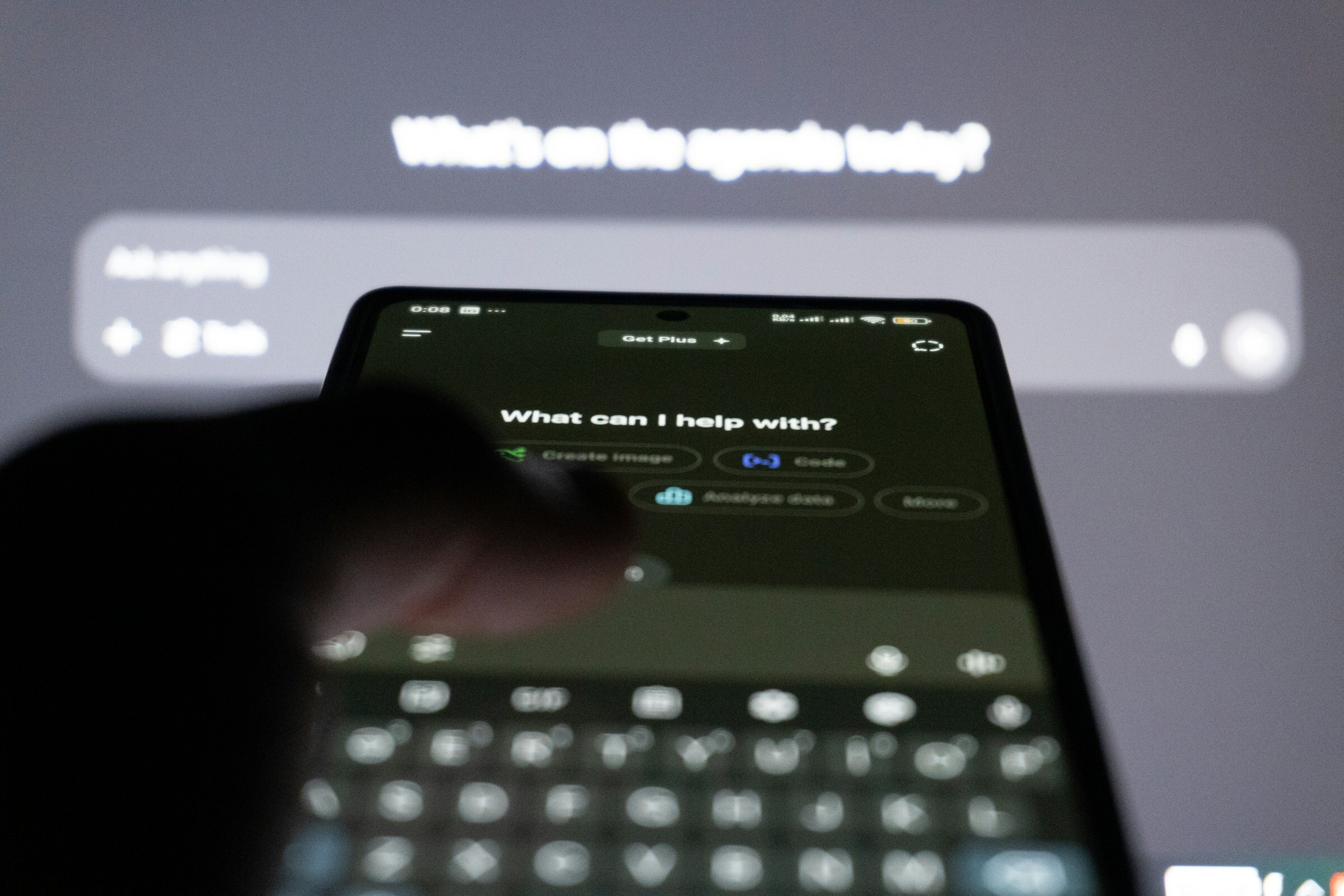

“When search becomes conversation, you no longer ask a machine to find you an answer: you ask someone to understand you.”
From the instinctive gesture of typing keywords into a search bar to an iterative dialogue with an intelligence that asks questions, interprets and guides, the transformation we are experiencing today no longer concerns only (or primarily) the algorithm that indexes content. It concerns the very way we formulate our informational needs, how we negotiate the meaning of our requests and how we place trust in answers that no longer simply display links, but advise us and guide our decisions. The scale of this shift is not just a perception among content creators: increased user exposure to AI Overviews and the growth of zero-click searches document a real and measurable behavioral change.
For over twenty years, we operated within a simple ecosystem: query, scroll, choose, click, go back, repeat. Today, that linear journey has fractured. According to a Nielsen Norman Group analysis (2024), more and more users bypass the SERP altogether, remaining within the AI-generated response and trusting a ready-made, coherent synthesis. At the same time, recent research highlights a steady decline in organic traffic to editorial websites, while direct interaction with tools such as ChatGPT, Copilot and Perplexity AI continues to grow.
Even established platforms such as Aranzulla have reportedly recorded traffic drops between 20% and 25% — a signal of shifting habits: people now search inside the chat, not inside the search engine.
From Query to Conversation
The difference is not merely technical — it is cultural. In a traditional search engine, users submit a query. In an AI chat, they open a dialogue. If the question is vague, the agent asks for clarification. If the request is too broad, it narrows it down. If it detects an implicit need, it brings it to the surface. In short, it reasons with us.
This new dynamic builds a path — almost a micro educational process — in which AI interprets the question, identifies informational gaps, proposes progressive solutions and, when necessary, refines the direction along the way.
We are moving from a “response engine” to a rational advisor — a digital consultant that not only informs, but guides, orients and increasingly chooses on our behalf.
The crucial point lies here: search has gradually become a negotiation process, no longer a simple act of consultation. AI now attempts to understand who you are, what you need and what your goals are. Based on the information it gathers, it proposes paths, solutions and alternatives.
Now You Need to Be Recommended, Not Just Found
For those of us who create content, this revolution has profound implications for how we approach our work.
It is no longer enough to produce a keyword-optimized page of X words, with perfectly calibrated meta tags and density metrics. Today, we must build content that is readable and interpretable by AI, capable of communicating identity, authority, context and value.
Research on Generative Engine Optimization (GEO) shows that new platforms evaluate not only semantic relevance, but also the clarity of purpose and the consistency and authority of the brand behind the content.
In short, if your content is useful, clear, reliable and coherent with a defined identity, AI is more likely to include or cite it as a reference.
Positioning and Identity as the New Visibility Metric
At this stage, a decisive element becomes central: the brand positioning strategy within its competitive landscape.
A brand that communicates in a fragmented, directionless way risks disappearing from the radar — or more precisely, from the invisible filter of artificial intelligence. Not because it is not indexed, but because it is not interpretable.
If your brand narrative is weak, confused or contradictory, technical optimization alone will never make you recommended.
Consider a practical example: a user searches for “How can I improve my brand communication?” A few years ago, Google would have returned SEO guides, marketing software or tool lists. Today, an AI chat interprets the deeper intent behind the request: perhaps you do not need a new tool, but a repositioning. It will tend to recommend not the site with the right keyword, but the agency or professional who clearly communicates identity, method, case studies and values — in other words, those who demonstrate clarity about who they are and what they do.
The Answer Is Branding
In a context where it is no longer enough to be found — you must be understood — brands need an agency capable of reading between the lines, identifying expressed and latent needs (even those you are not yet aware of) and translating them into a clear, coherent and recognizable strategy that enhances brand value.
At Zaki, this is what we do every day: we study, analyze, reposition and design identities and languages that enable brands to truly engage with people, markets and the intelligences that recommend them — so they can become the right answer.
Related stories
All stories
Zaki tells the story of Delta-ti’s 50 years




Get in touch!
Whether it’s well established or still to be built,
we work on the best communication for your brand.