
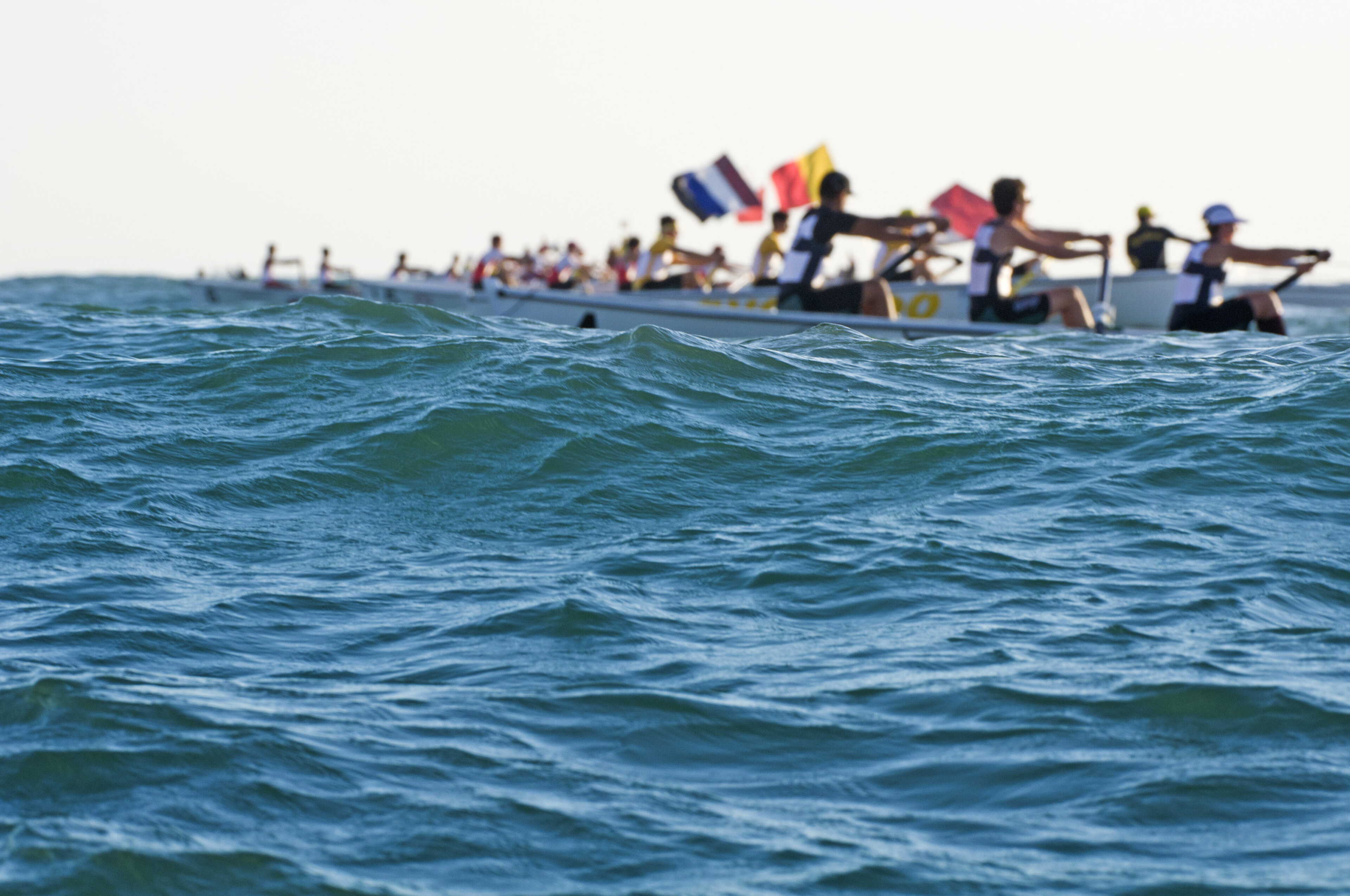
Livorno Rowing Races
Between sport and folklore: the new look of the Livorno Rowing Races
Rowing Races
Our contribution to a communication model that enhances cultural specificities as an opportunity for inbound tourism
- Skills
- Content creation
- Digital product design
- Front/back end development
- Strategic branding
- Services
- Analysis and insight research
- Brand strategy
- Brand Design
- Content strategy
- Content production
- UX/UI design
- Year
- 2017 - Ongoing
Our contribution to a communication model that enhances cultural specificities as an opportunity for inbound tourism
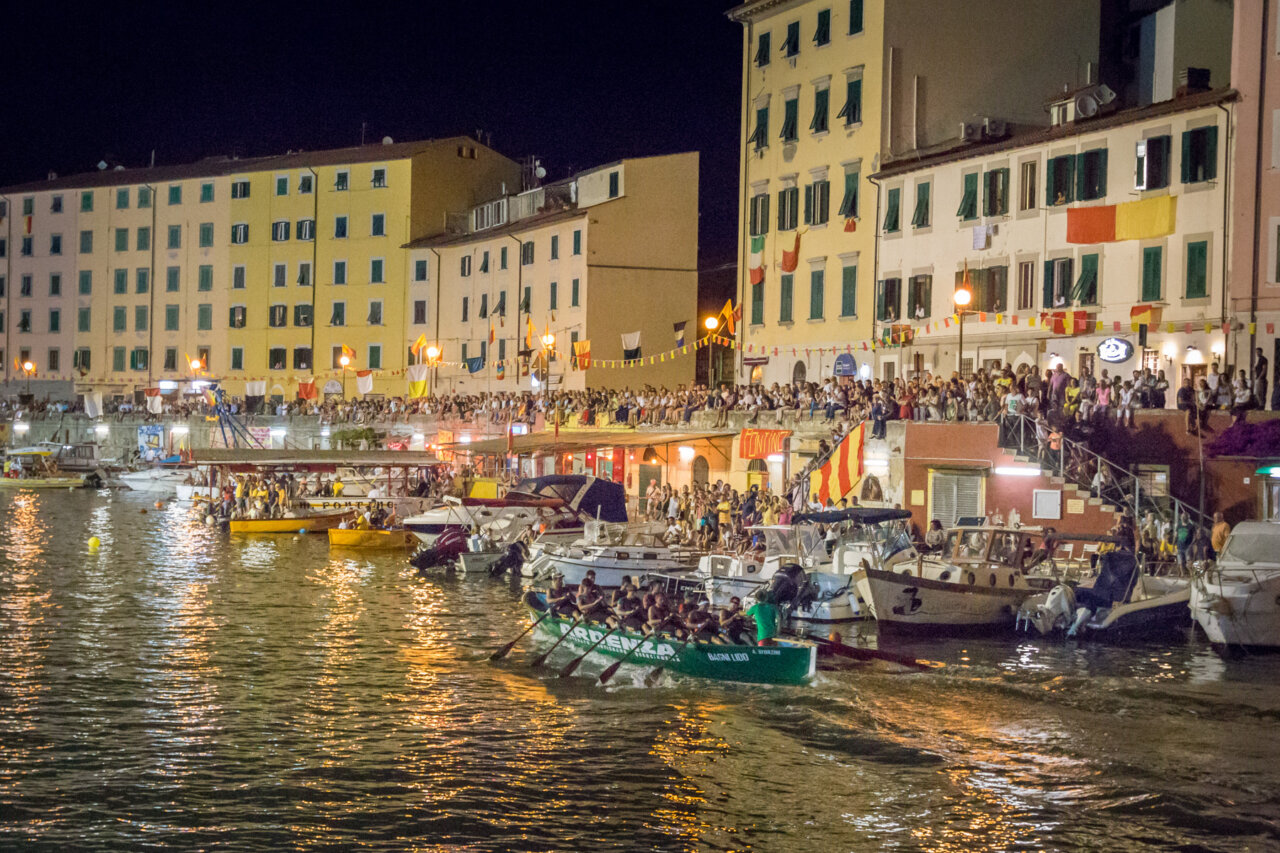
While for years many Tuscan and Italian cities have showcased their historical and folkloric events as a lever to attract new tourists, in Livorno the Rowing Races were long experienced almost exclusively by local residents, confined within district boathouses and neighbourhoods, with no real openness to the outside world.
Fortunately, over time the value of these events has finally emerged, and it has become clear that—when properly presented—they have nothing to envy the more renowned Palii held in the most important Tuscan towns.
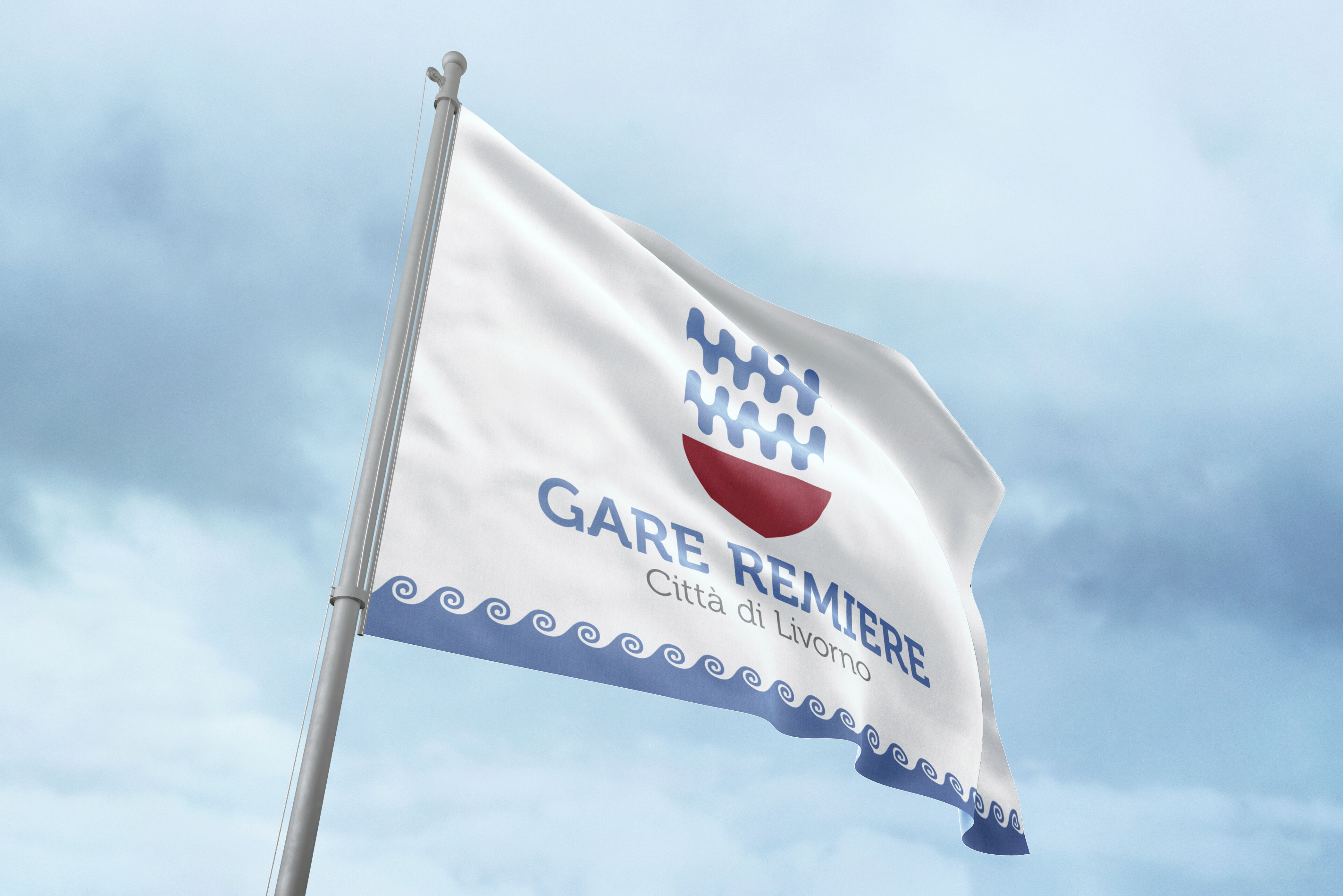
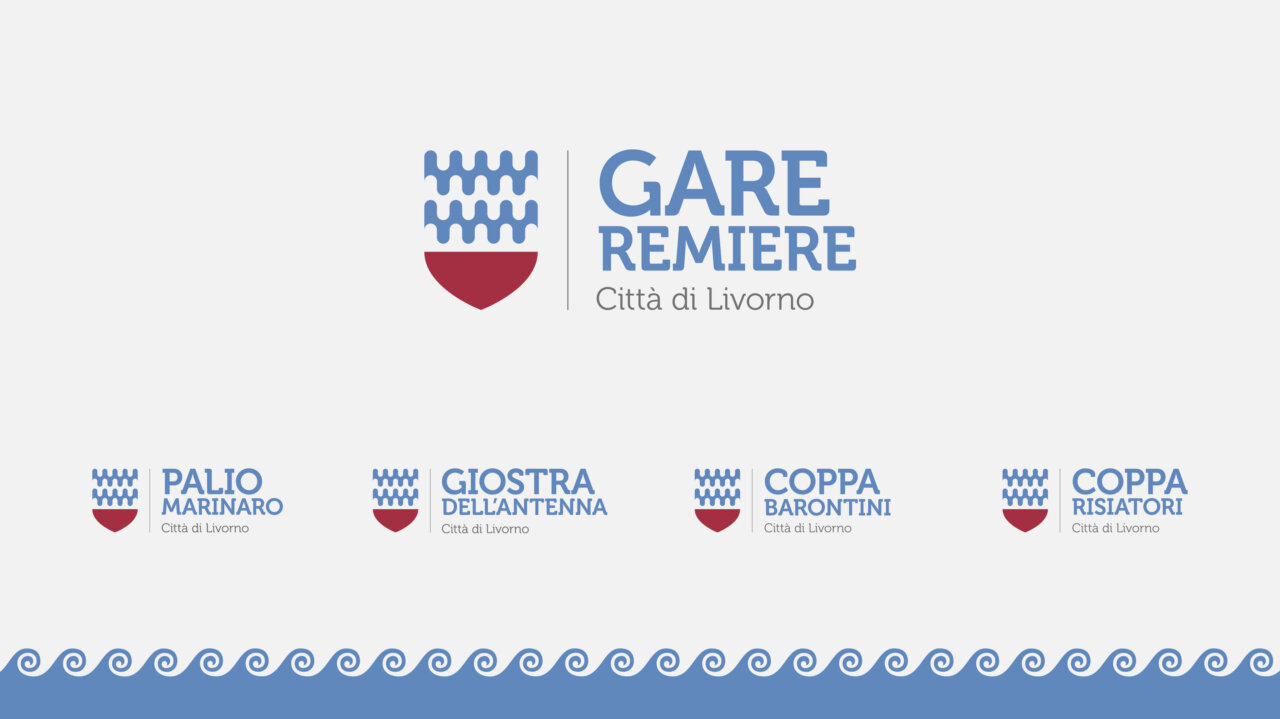
Our task was precisely this: to create for the Livorno Rowing Races an image and a content architecture capable of expressing and enhancing the great historical and cultural value of these events, allowing them to be perceived both as a form of entertainment and, in their uniqueness, as a valid alternative to similar events.
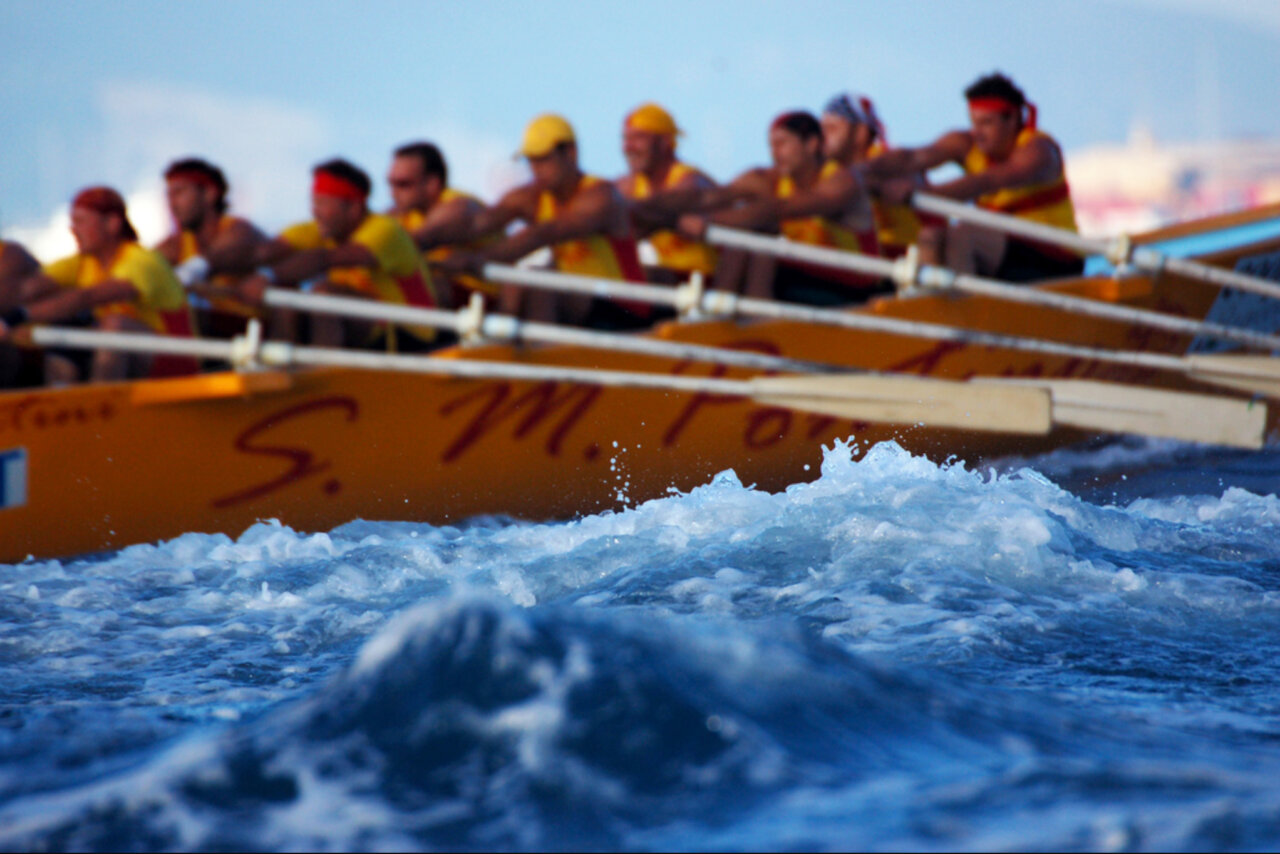
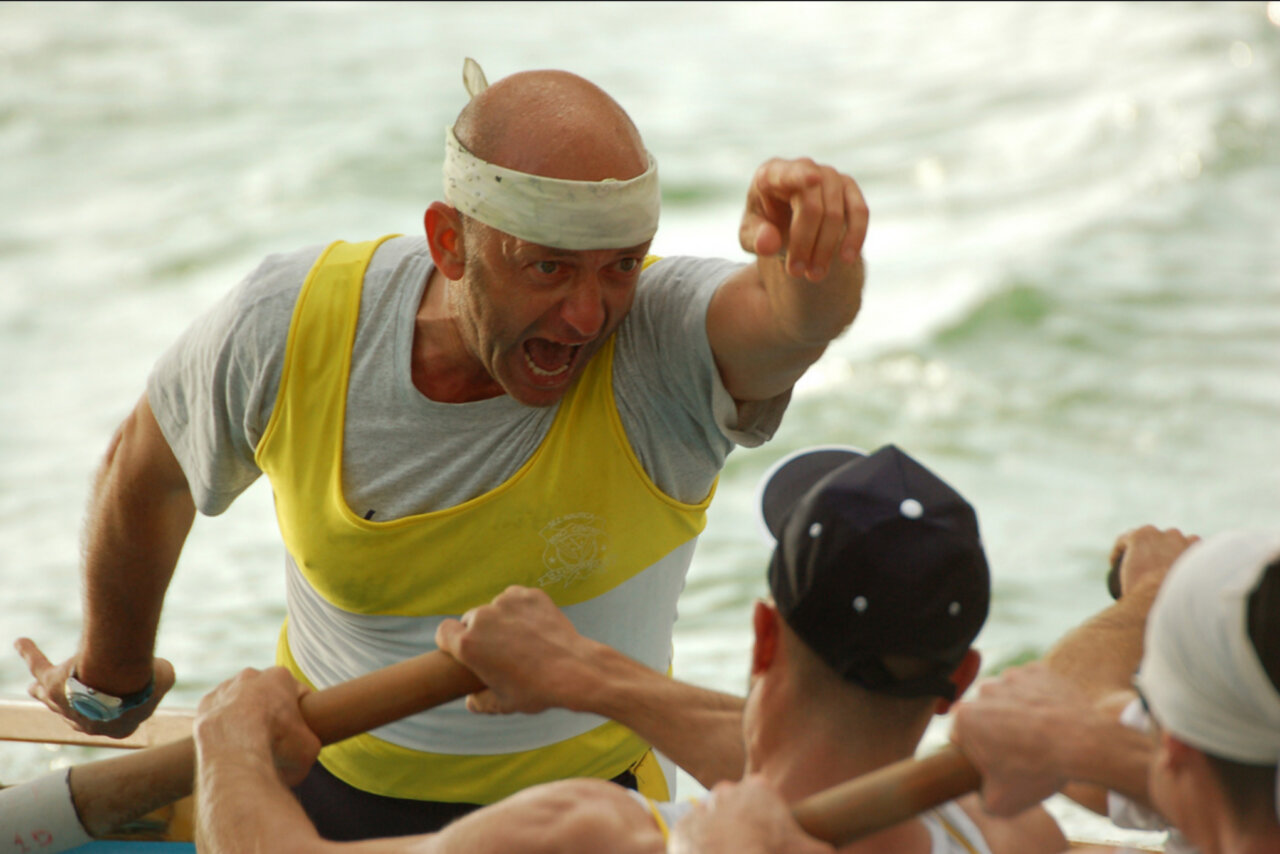
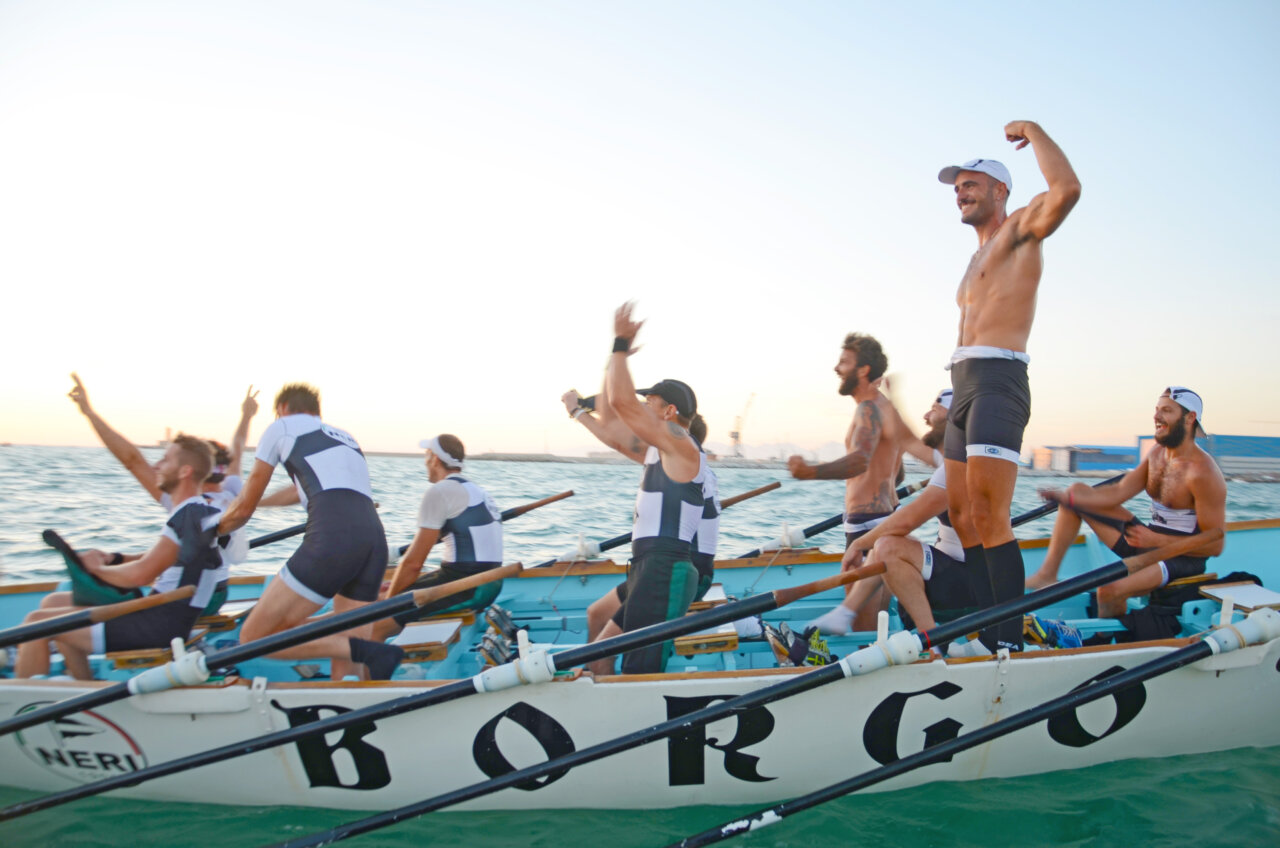
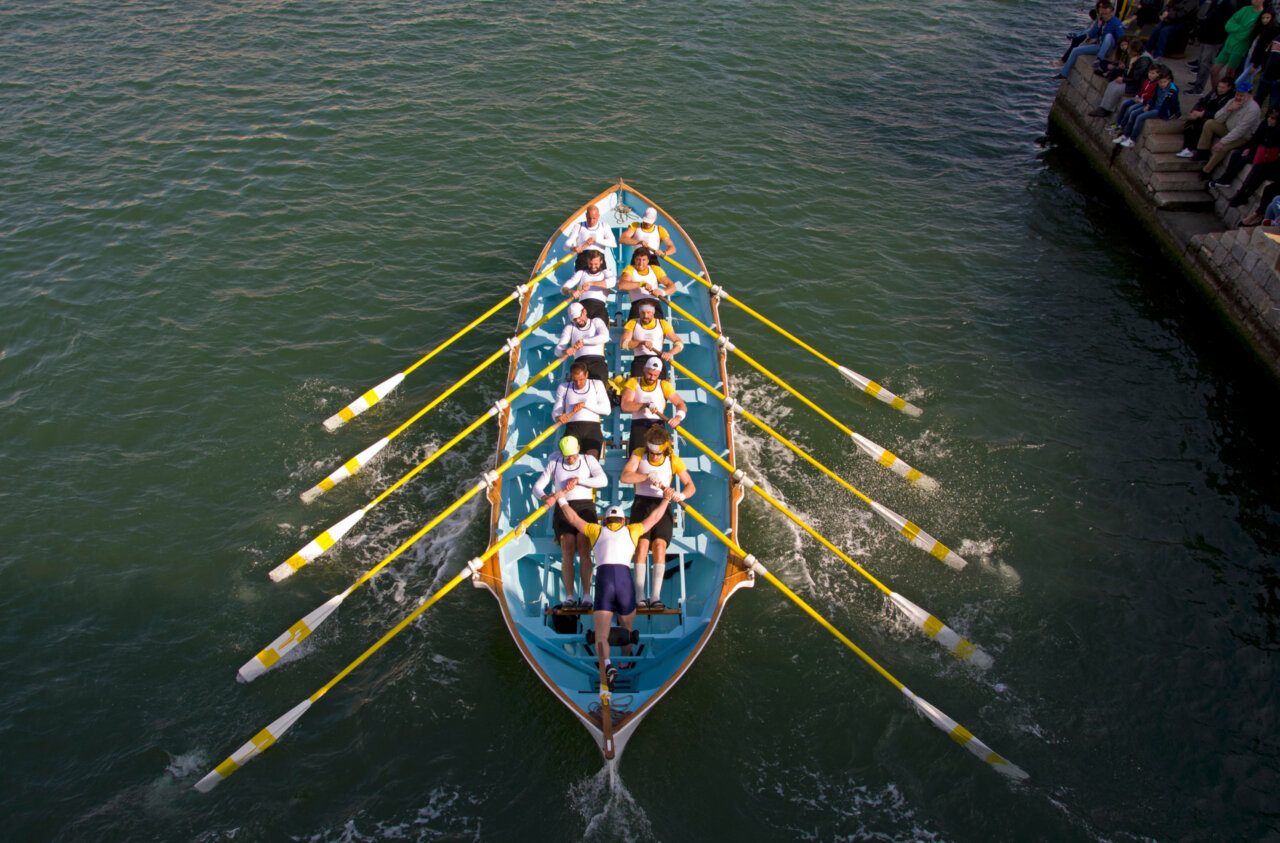
The client
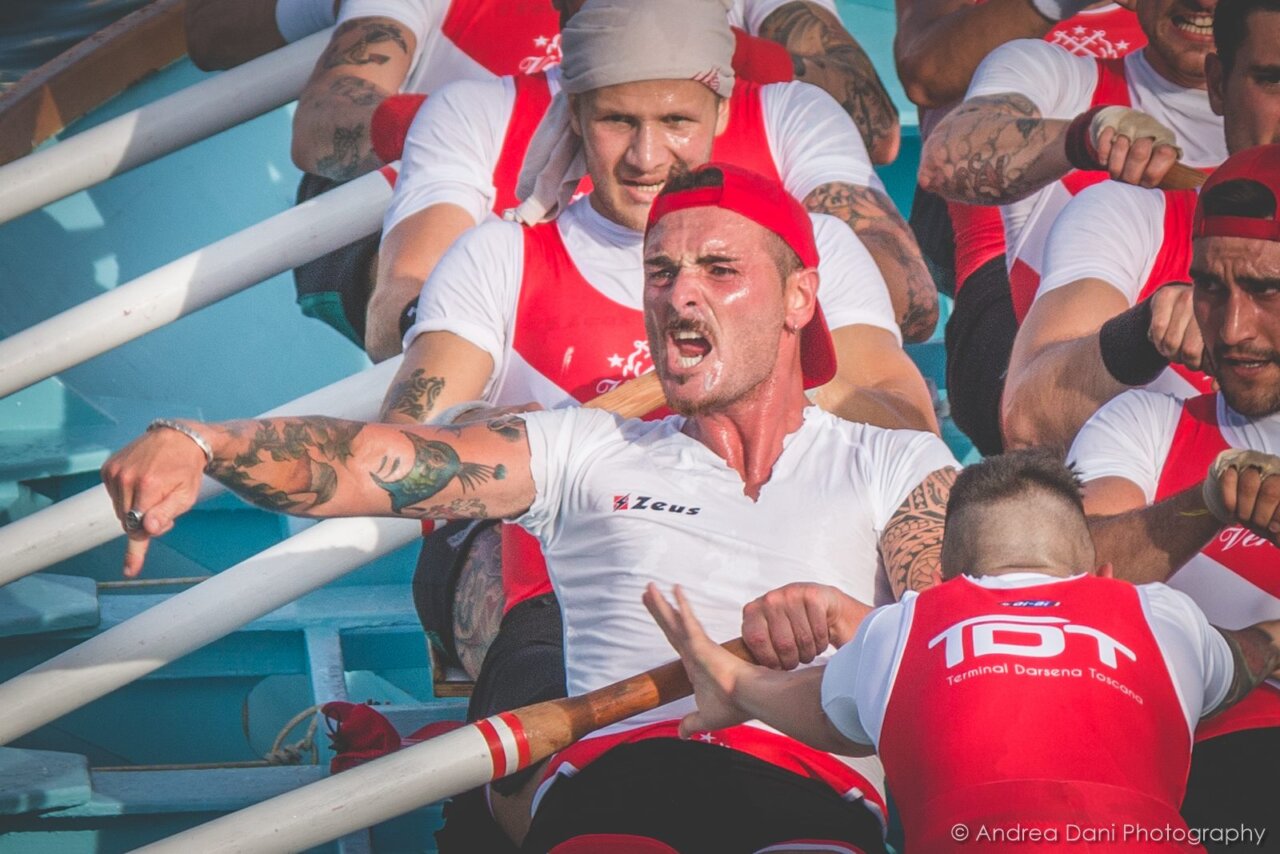
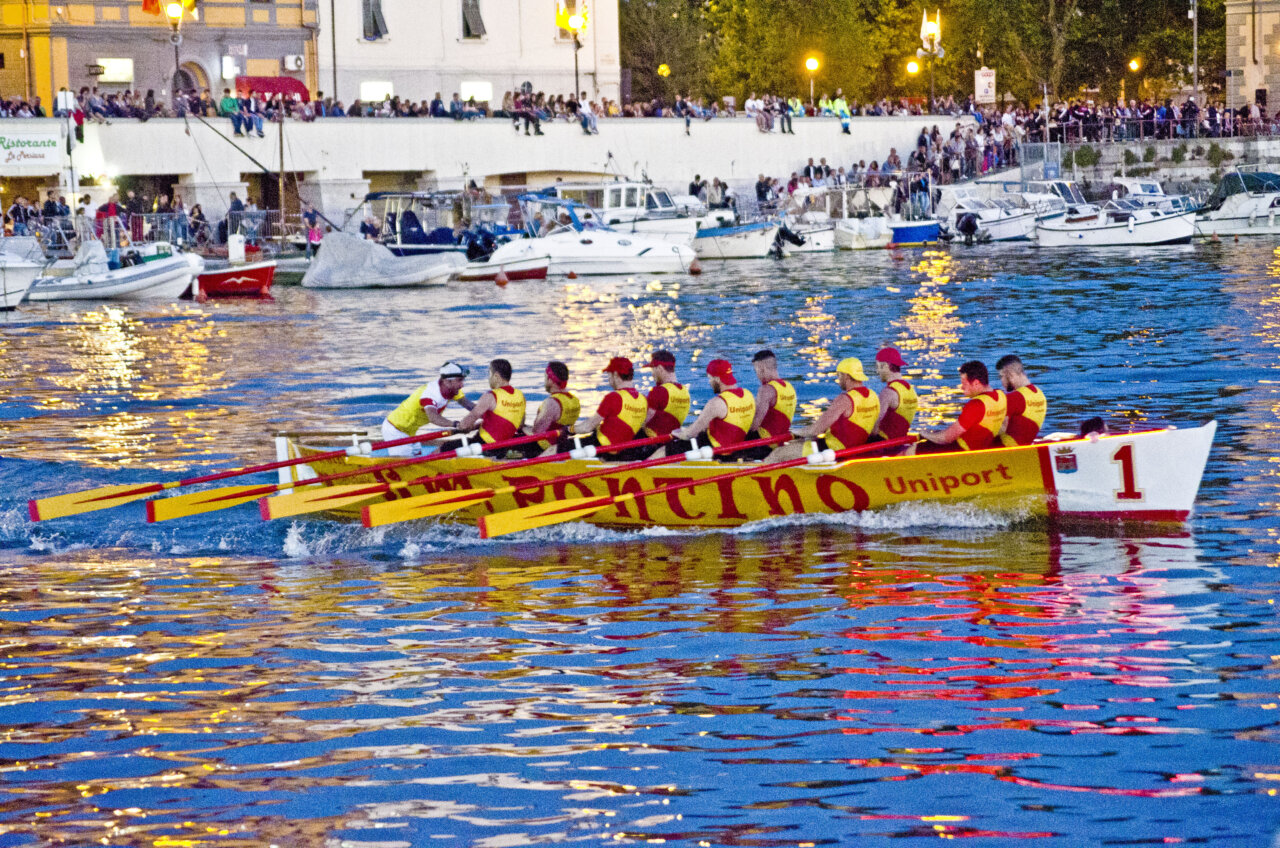
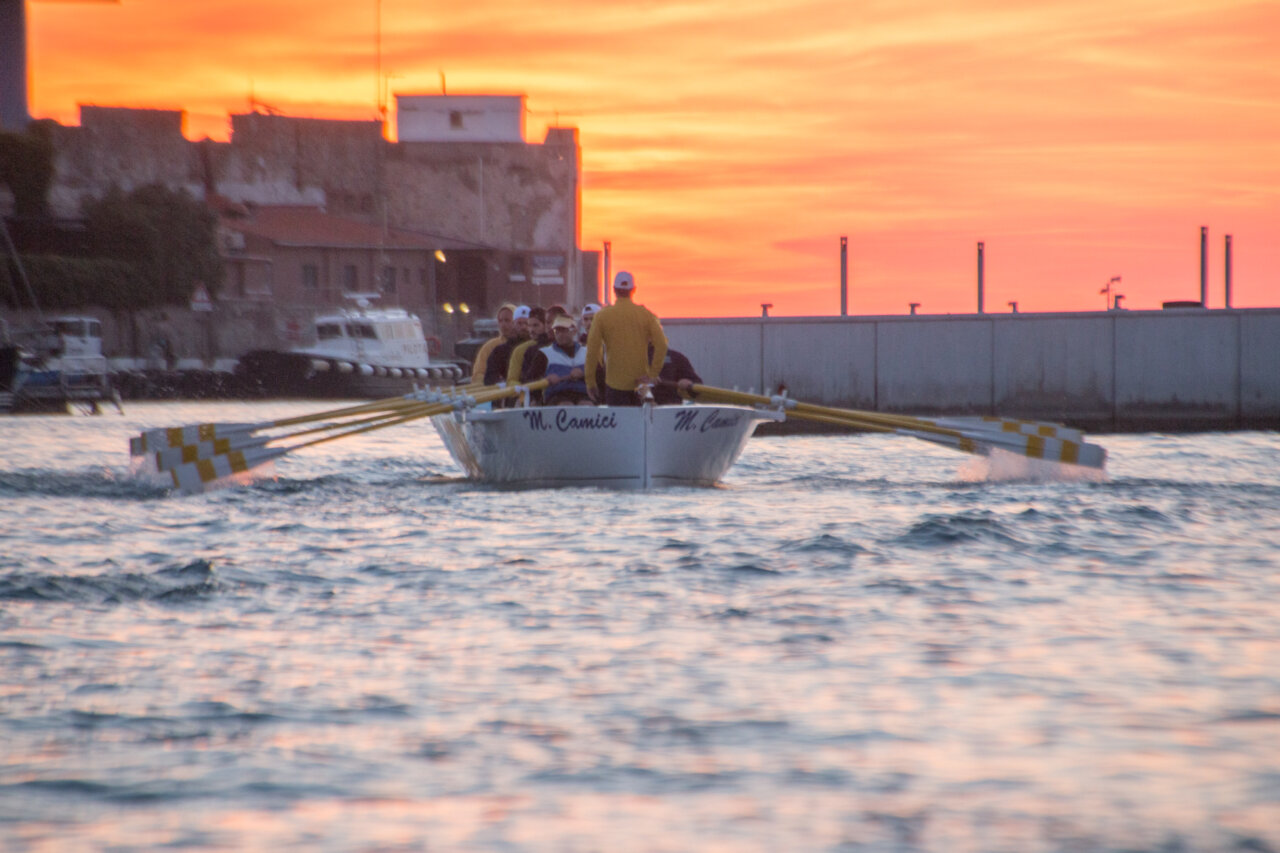
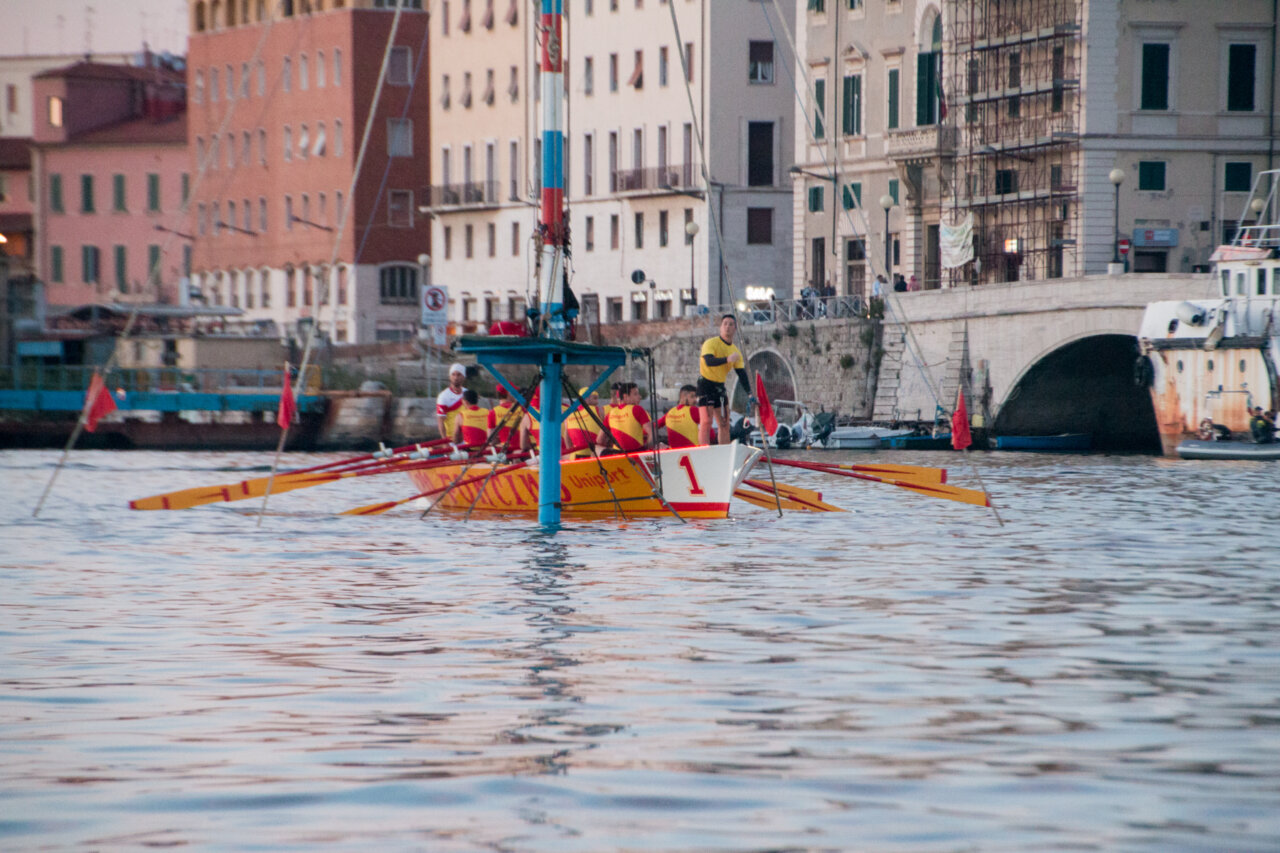
The Livorno rowing tradition has very ancient origins, dating back to when Livorno, not yet granted city status, was merely a small port. At that time, for Livorno dockworkers (not coincidentally known as Risiatori), the only way to earn the right to unload a ship was to reach it before it even entered the harbour. To do so, they challenged one another in fierce competitions aboard oared gozzi, risking their lives and those of their companions every day—especially when the sea was rough.
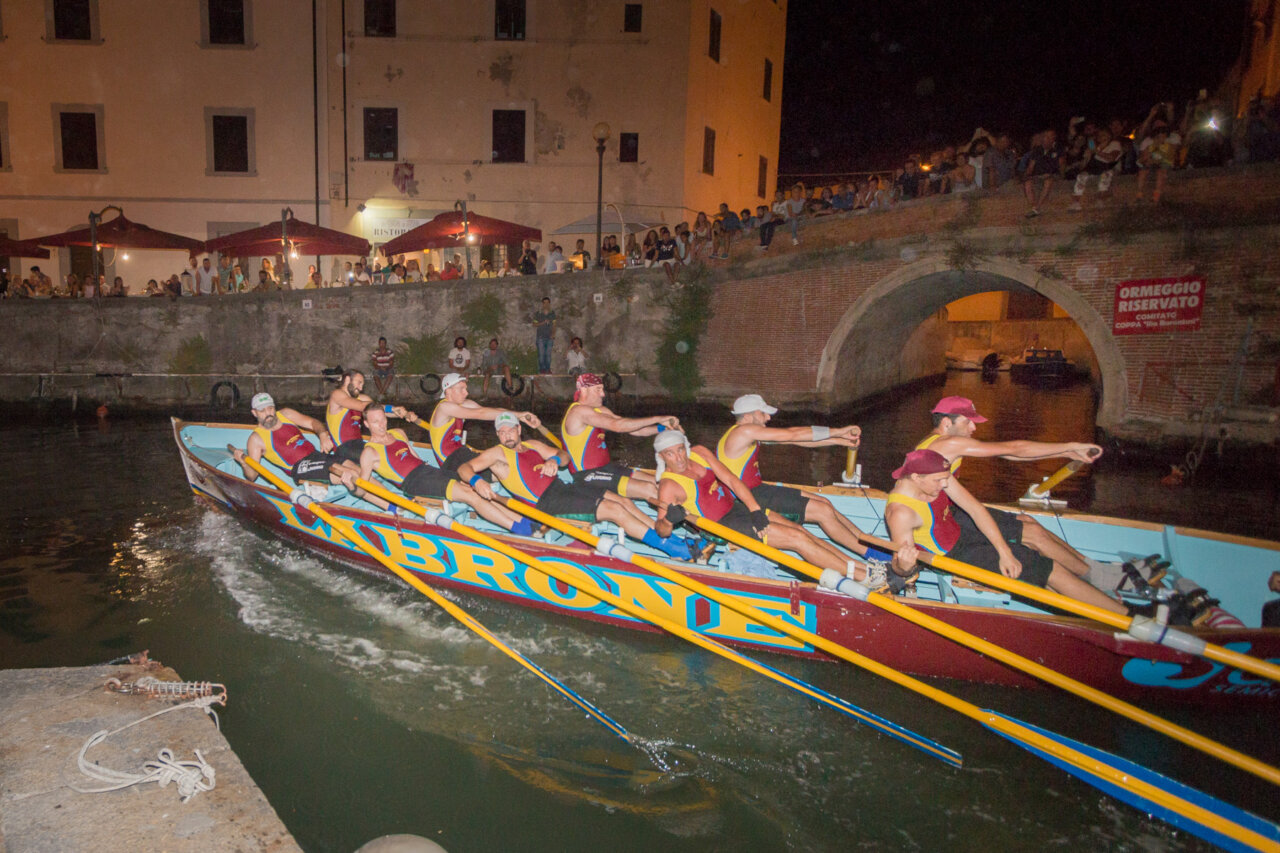
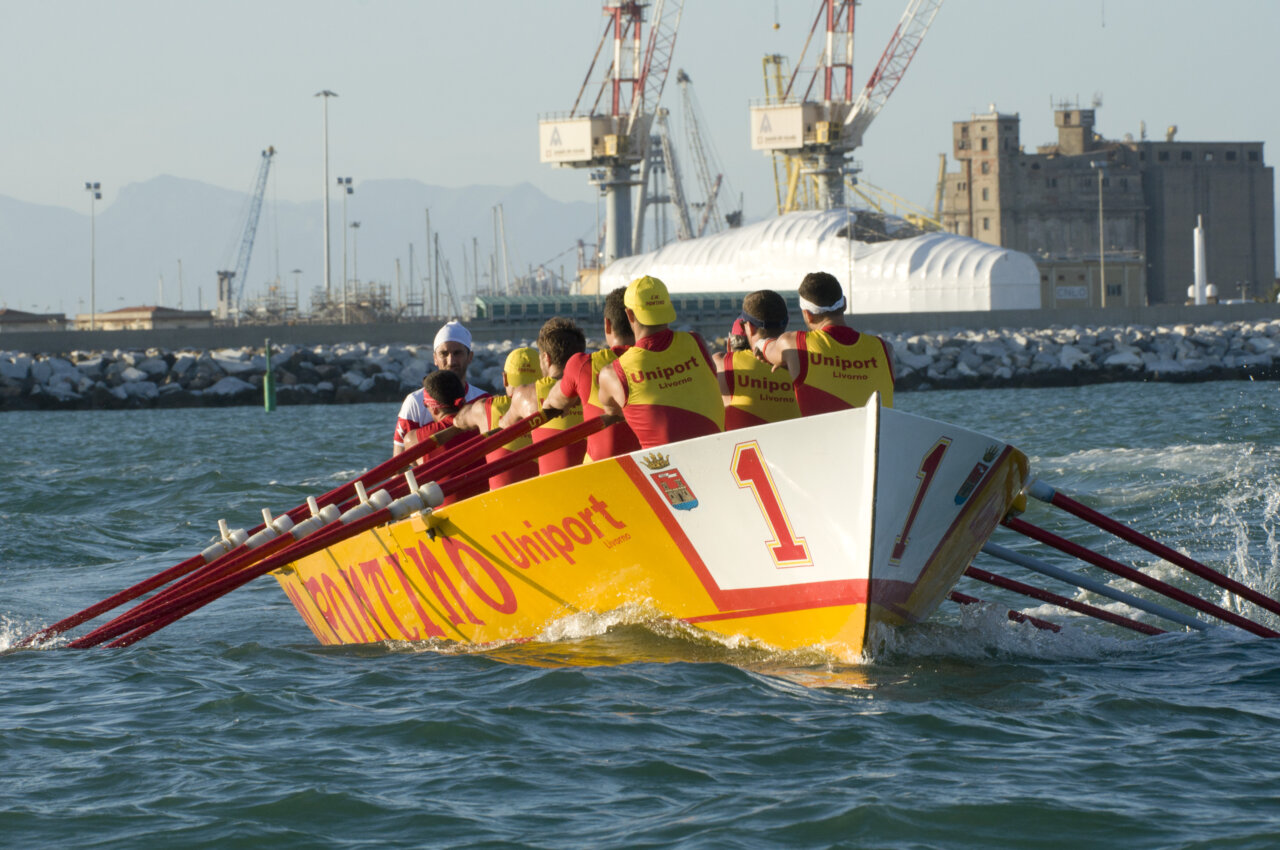
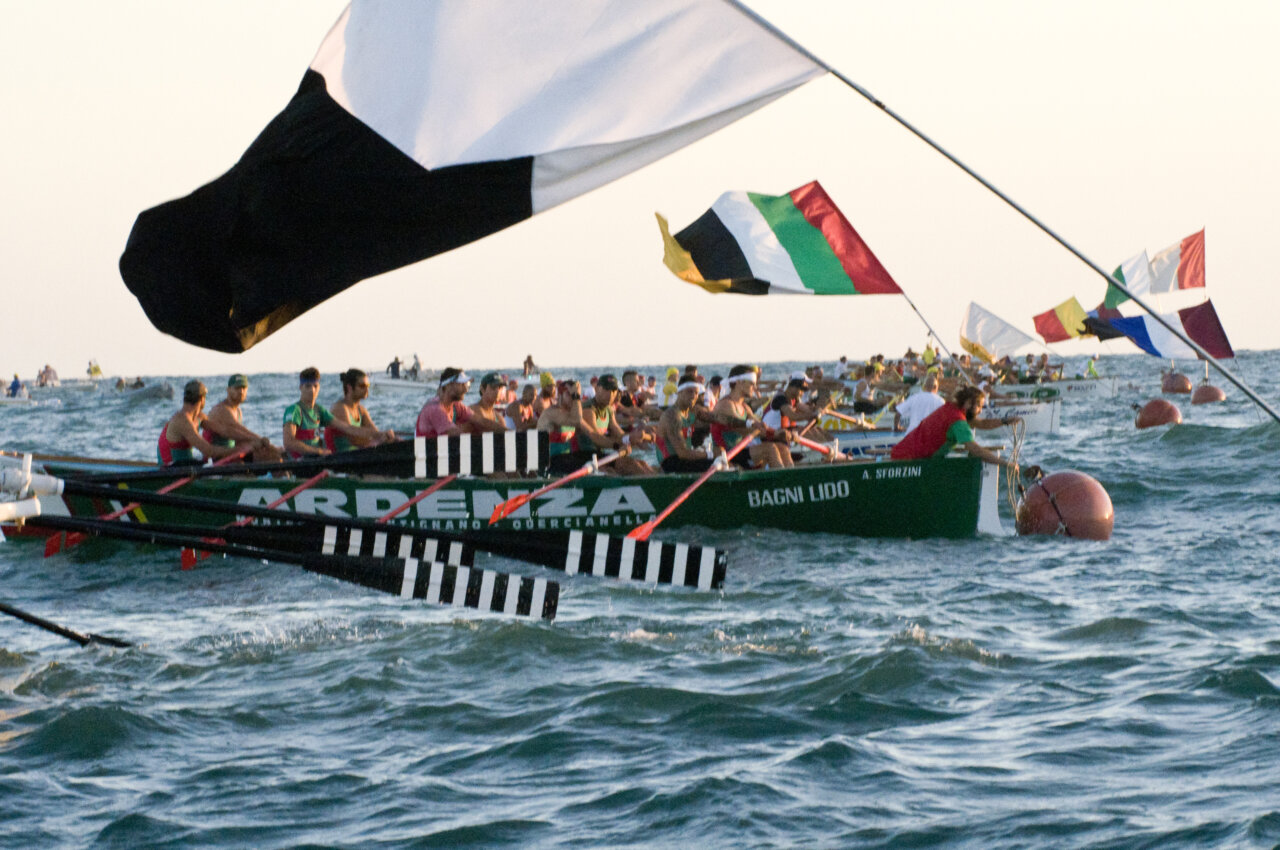
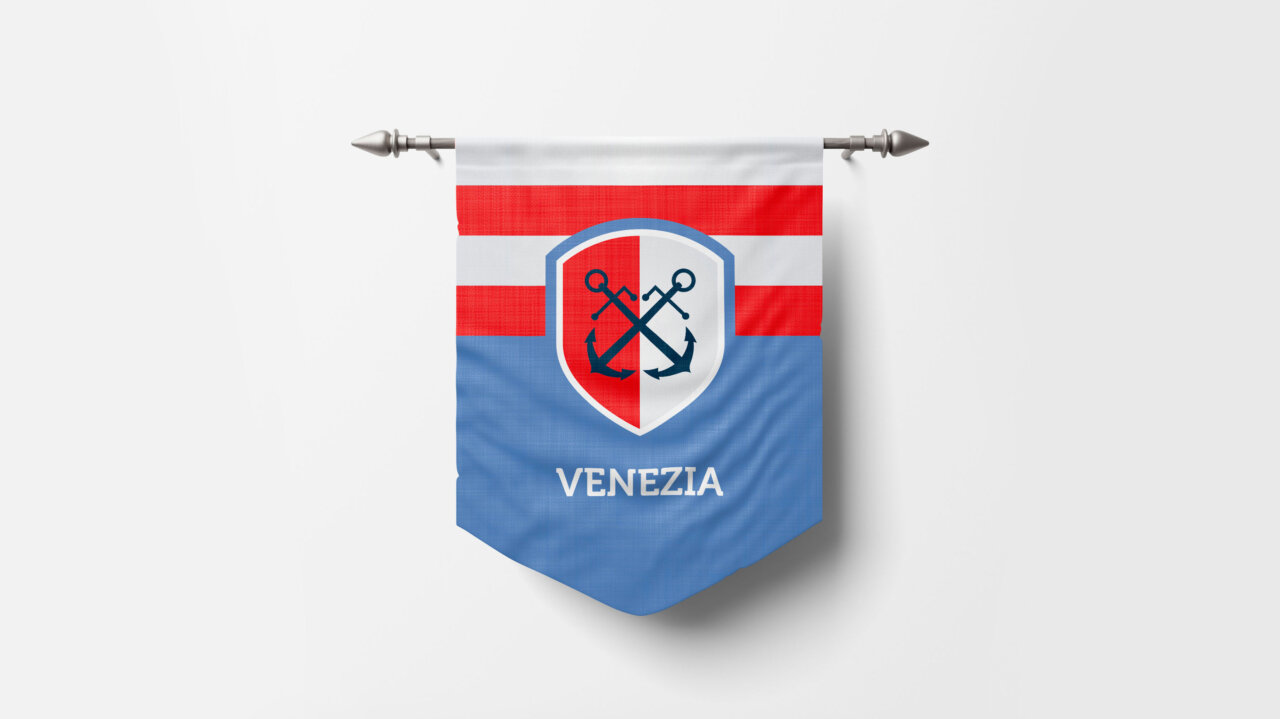
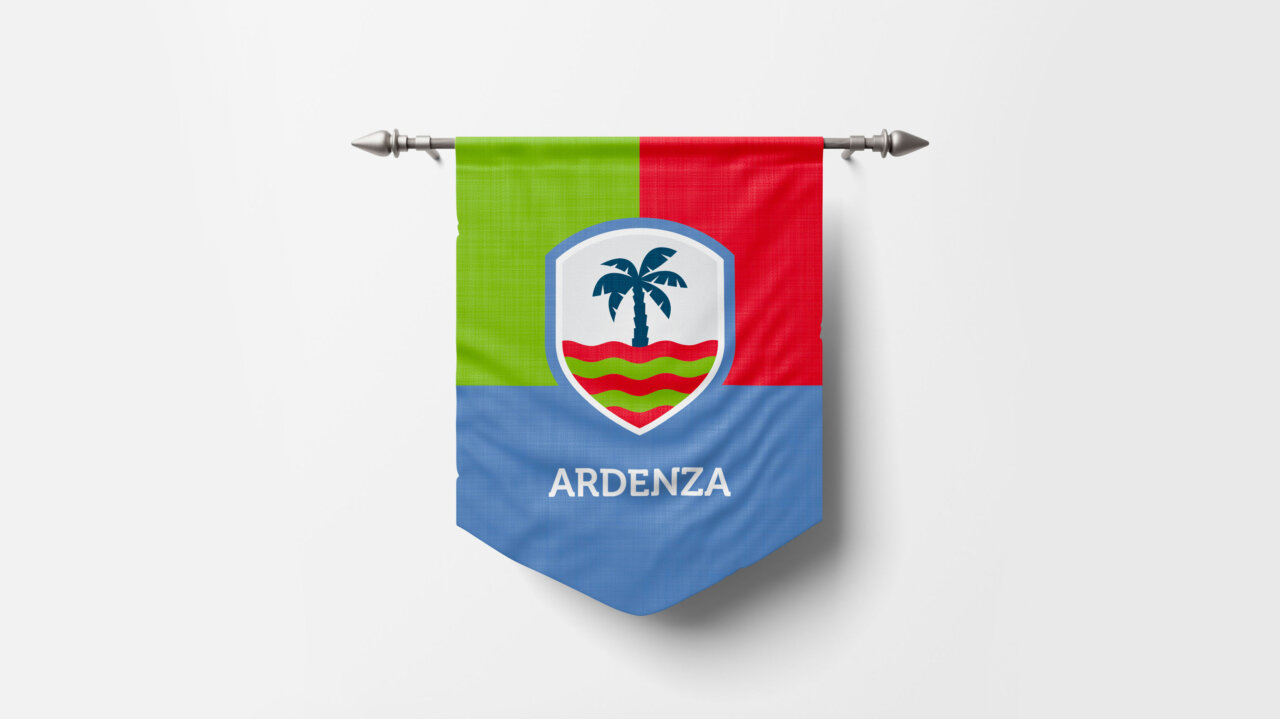
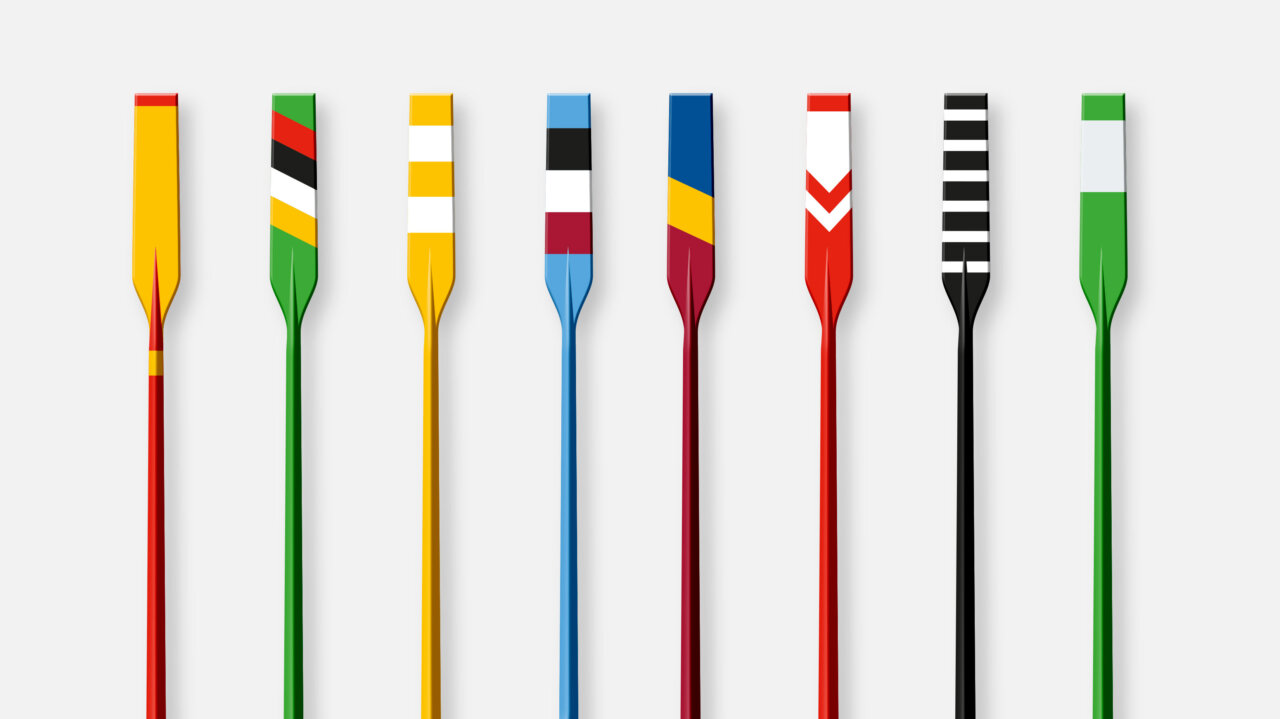
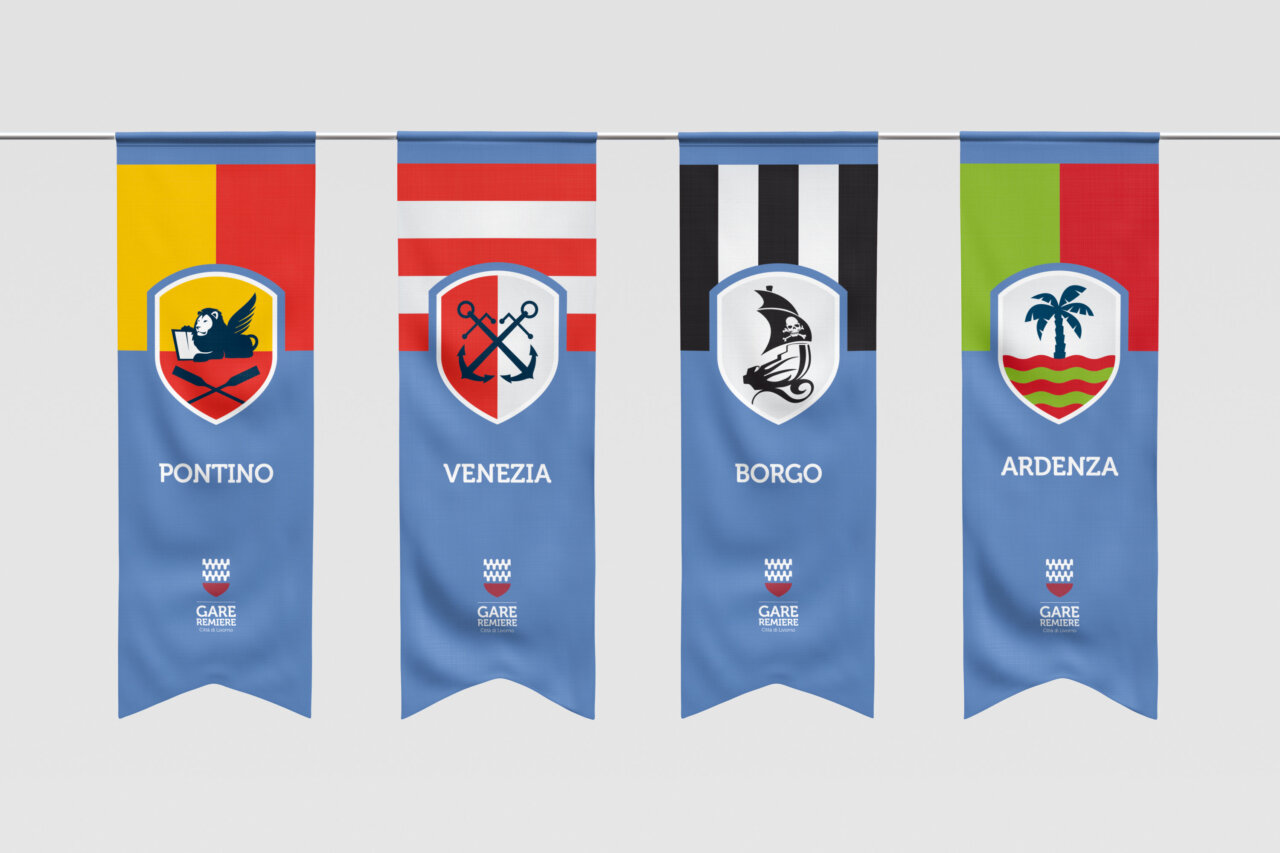
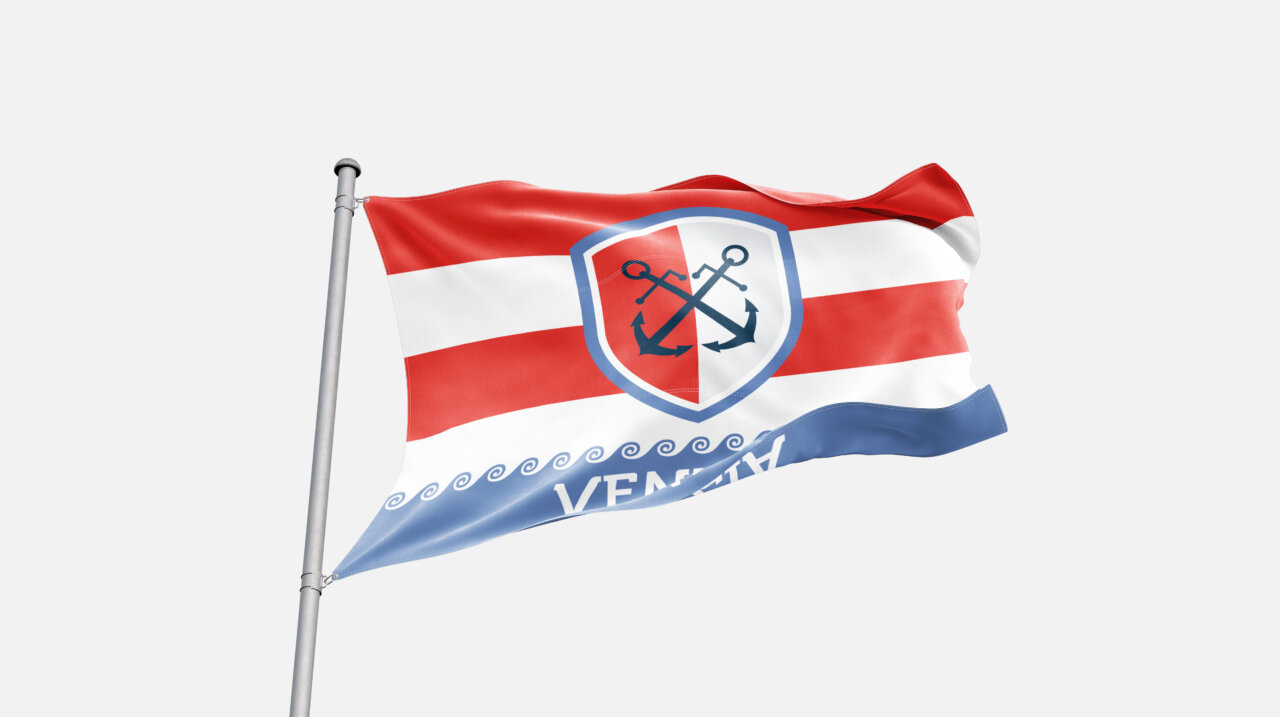
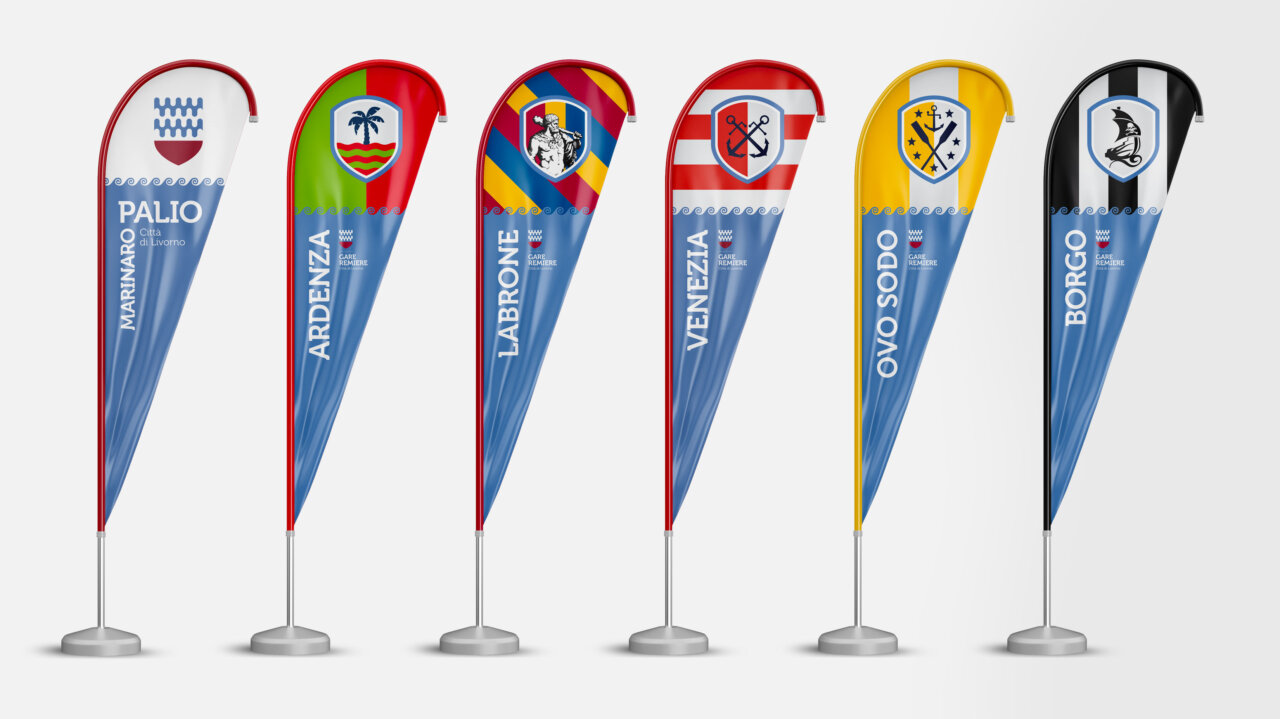
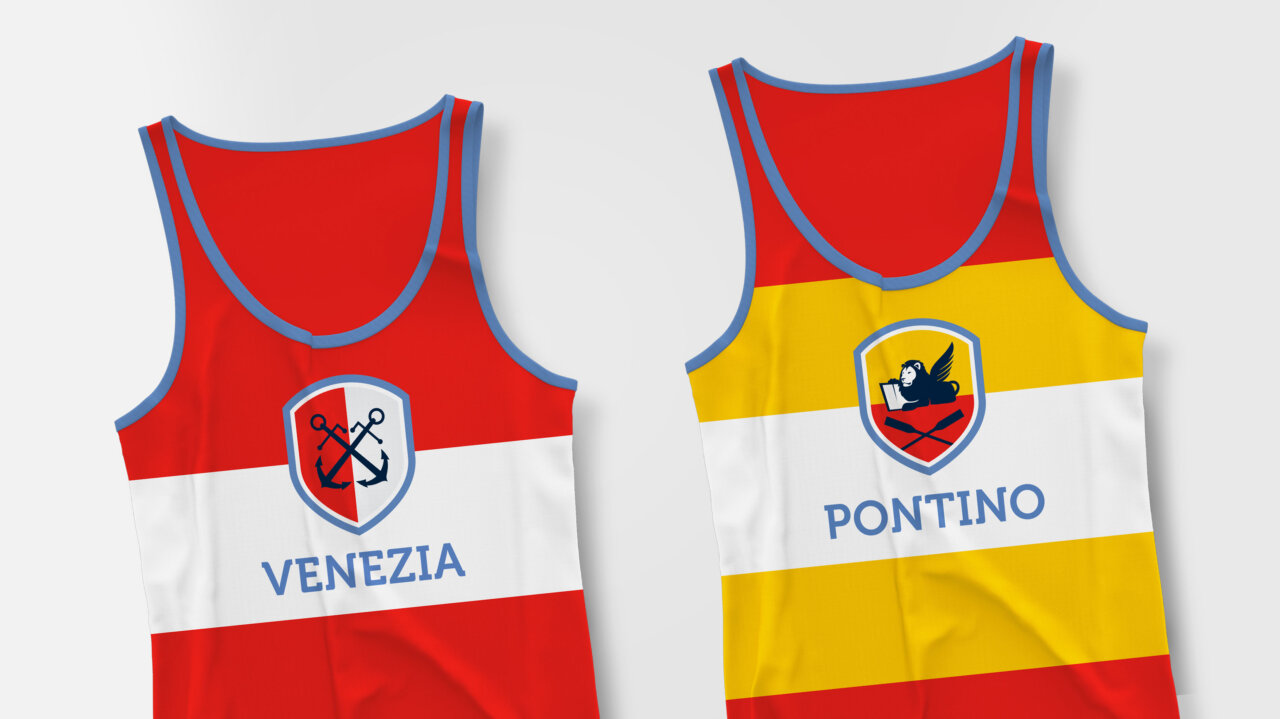
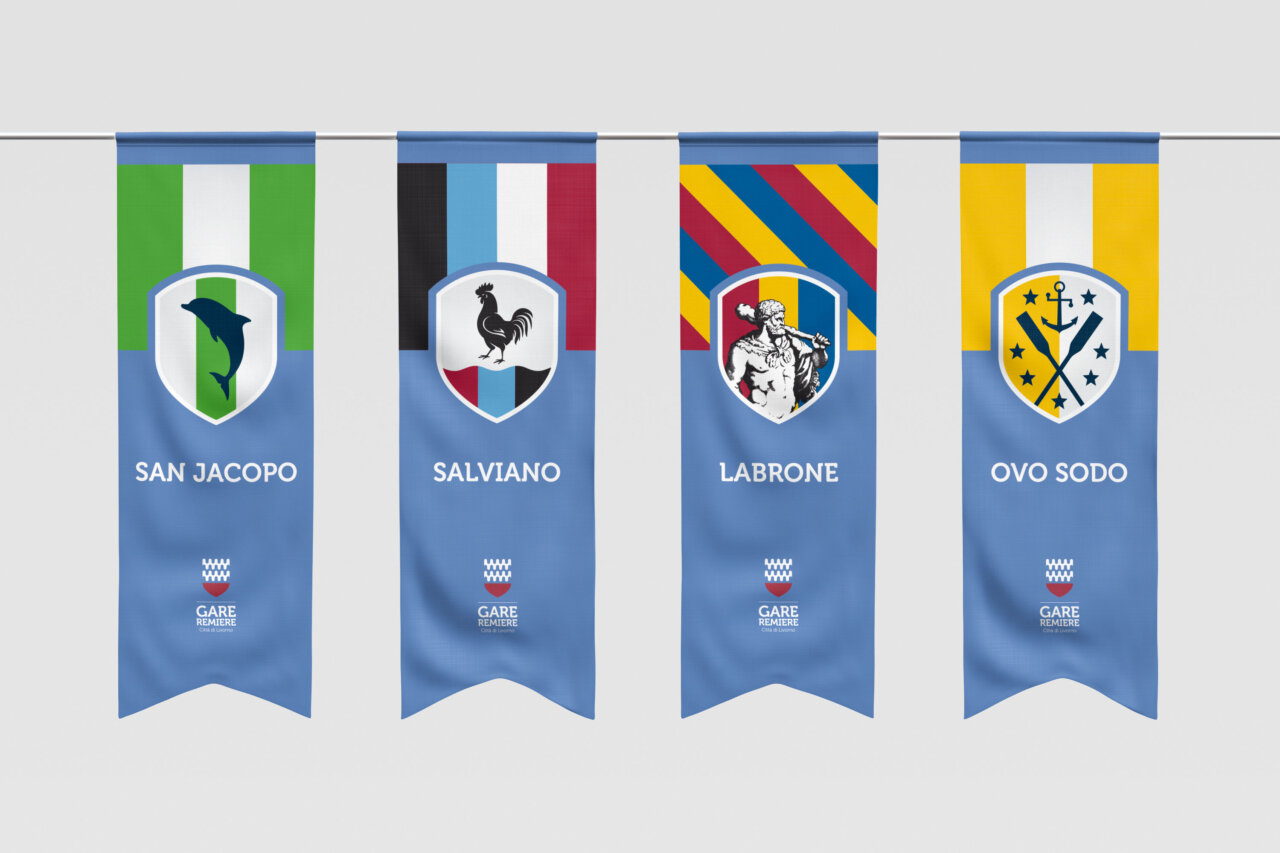
Each city district had its own boat and crew, whose members were held in high regard. The districts that still compete today in the various events of the Livorno Rowing Races are eight: Borgo (white–black), Labrone (maroon–yellow–light blue–black), Ardenza (red–green), Ovo Sodo (white–yellow), Pontino (red–yellow), Salviano (maroon–white), S. Jacopo (white–green) and Venezia (red–white).
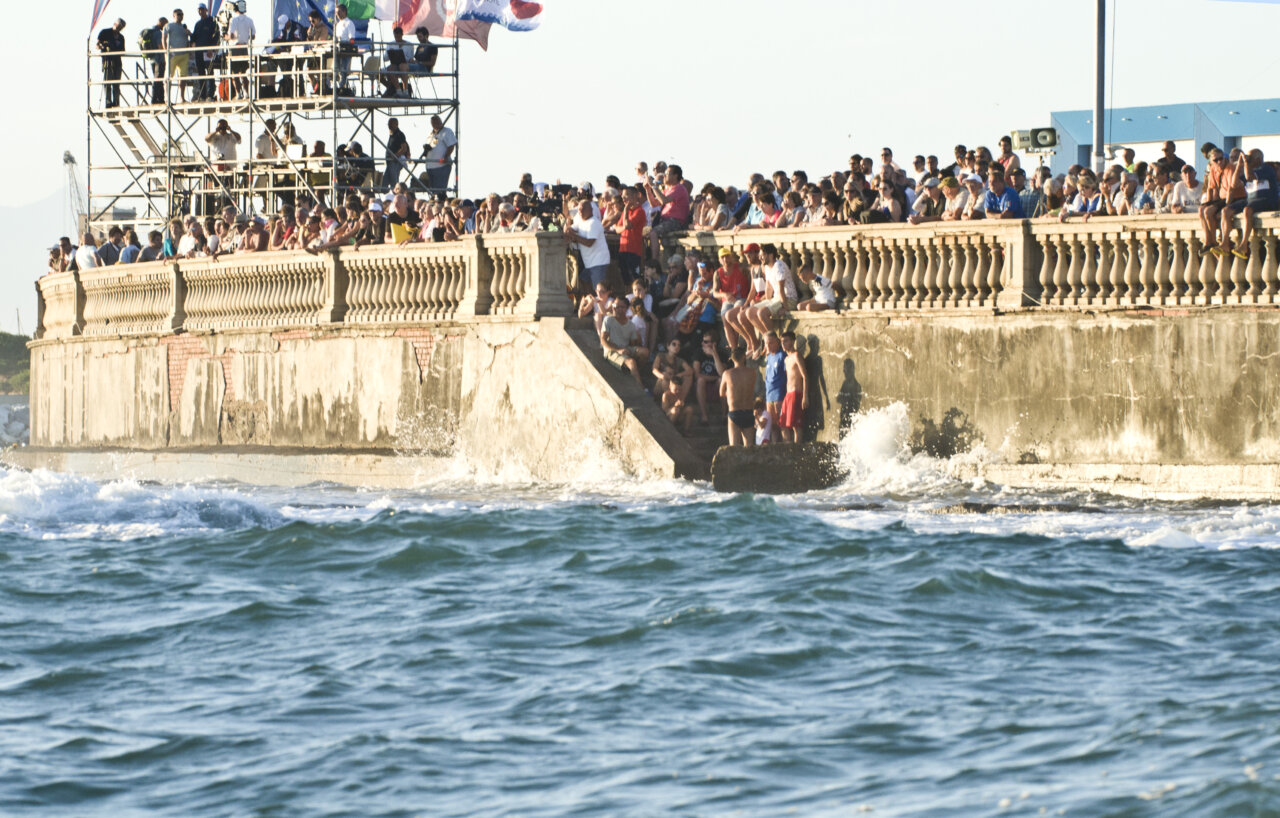
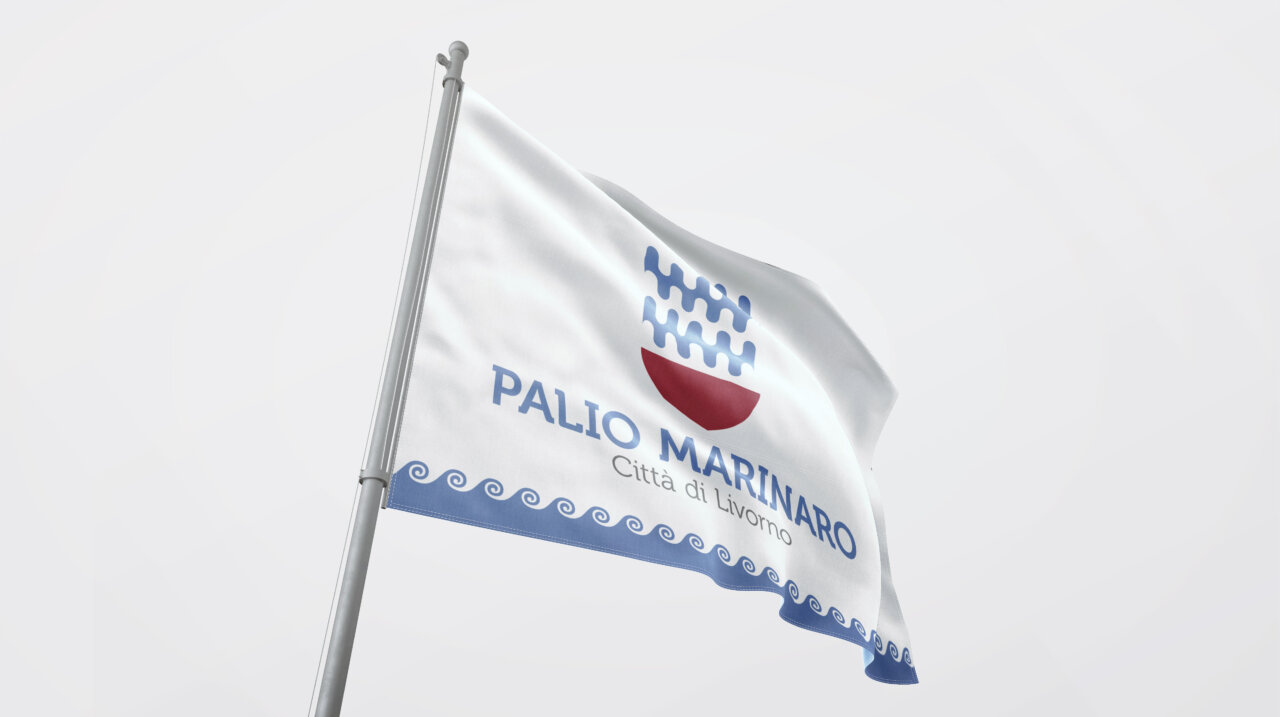
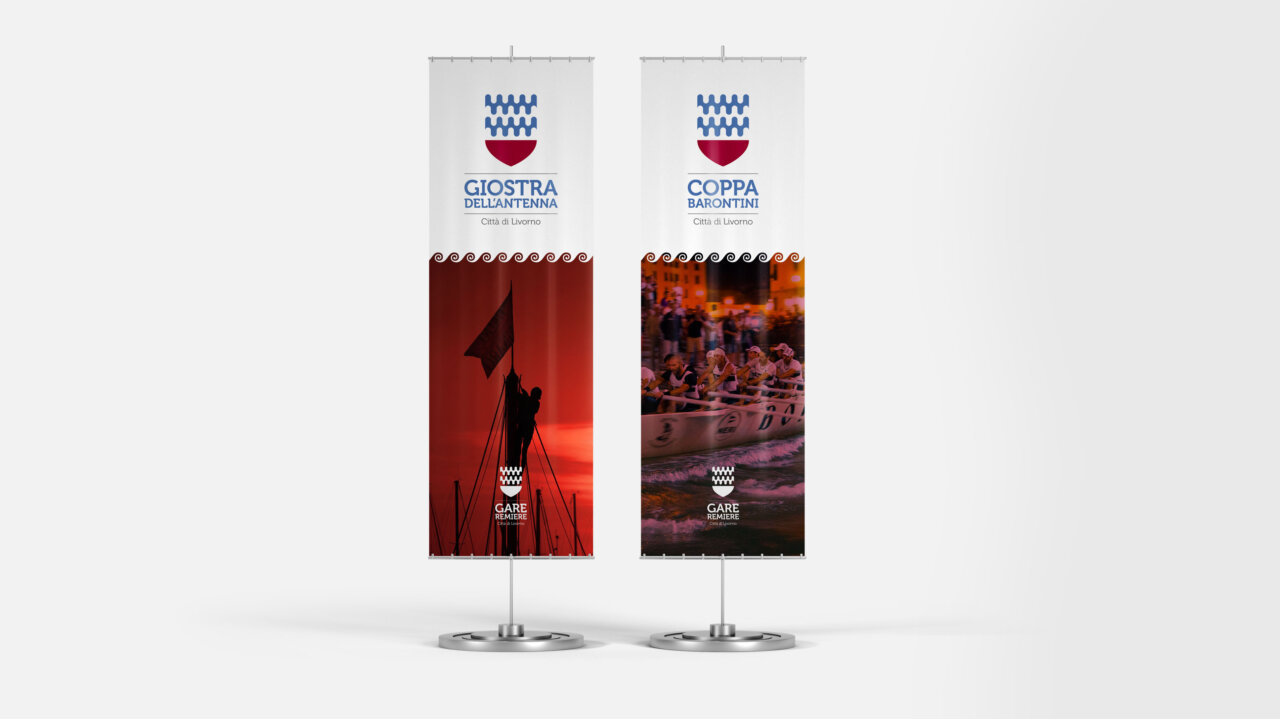
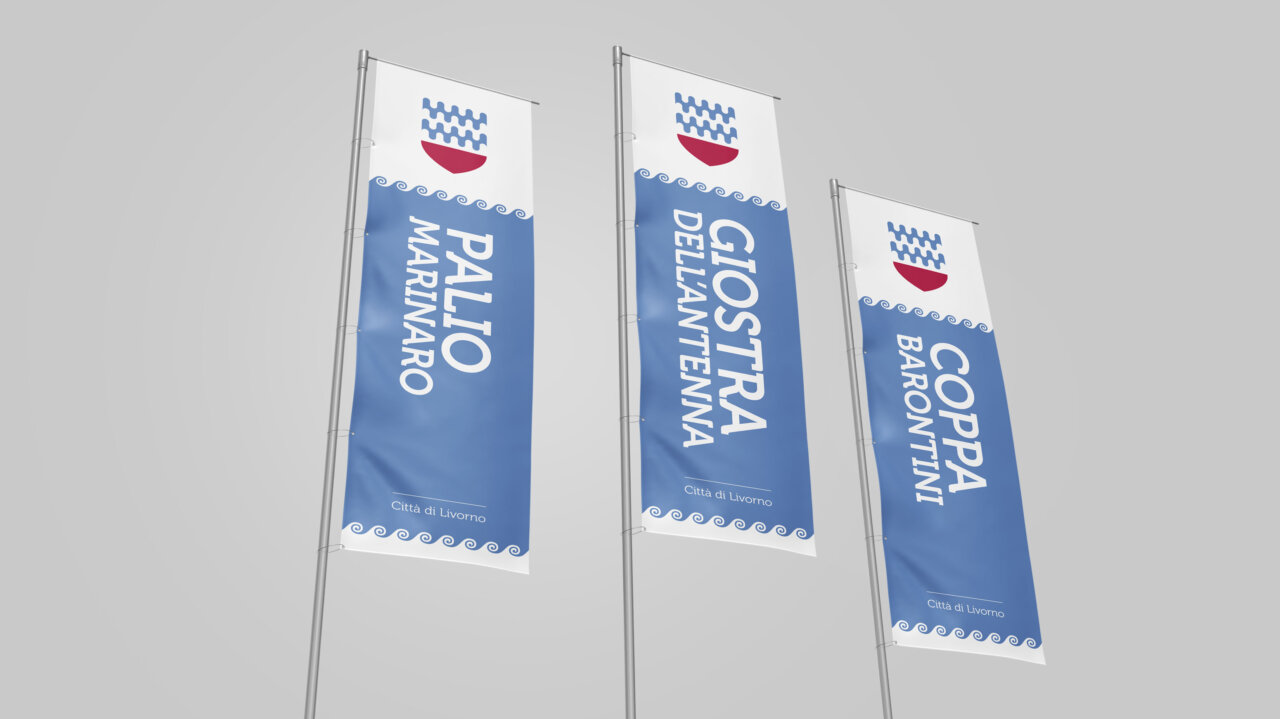
Managed by the Municipal Administration, the rowing season officially opens on April 25th with the Trofeo Liberazione, an event that precedes what are considered the true classics: the Giostra dell’Antenna, the Coppa Barontini, the Coppa Risiatori and the Palio Marinaro. Four profoundly different races, each telling an important part of Livorno’s history and of the deep, visceral bond between the city and the sea.
The challenge
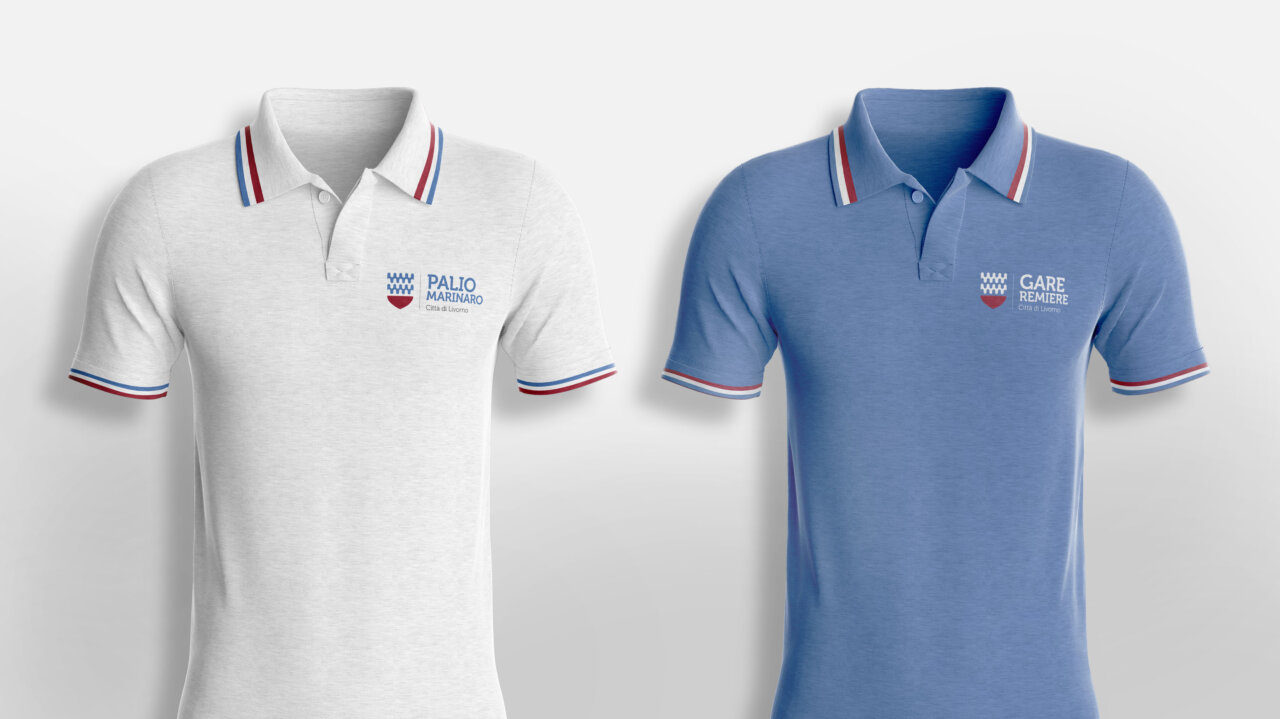
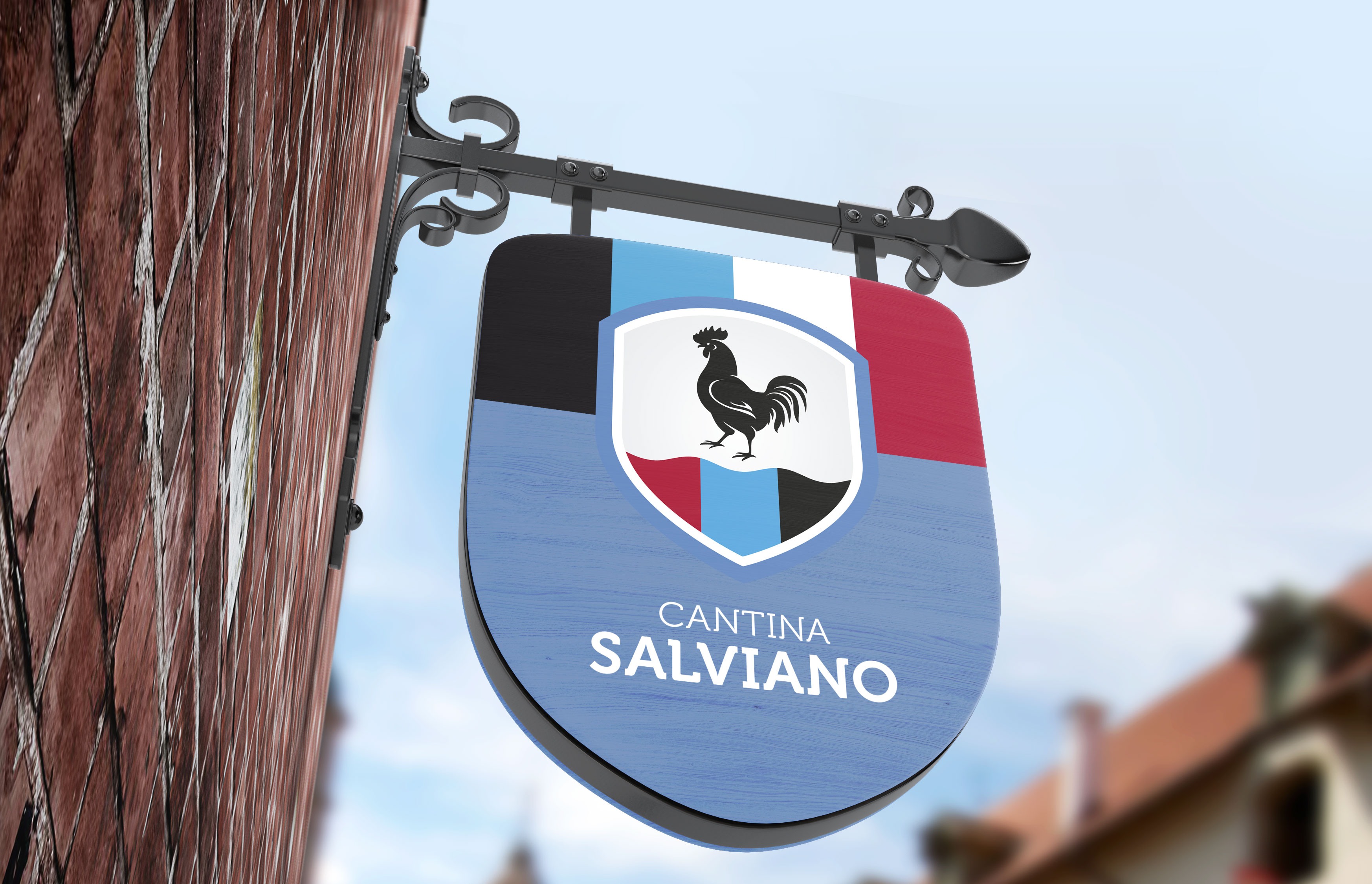
The research phase aimed at defining the project guidelines was undoubtedly the most demanding, both in terms of design and the drafting of textual content. In addition to creating the new Livorno Rowing Races brand and its applications across the various competitions, we faithfully reconstructed all the crests of the district boathouses, striving to preserve their popular spirit from both an iconographic and chromatic point of view.
The goal of preserving the sense of belonging that each symbol represents for the local community could only be achieved by respecting the most distinctive and identity-defining elements, selecting them from an extremely wide range of stylistic references accumulated over the centuries, and integrating them into a visual identity project that was as coherent, consistent and recognisable as possible.
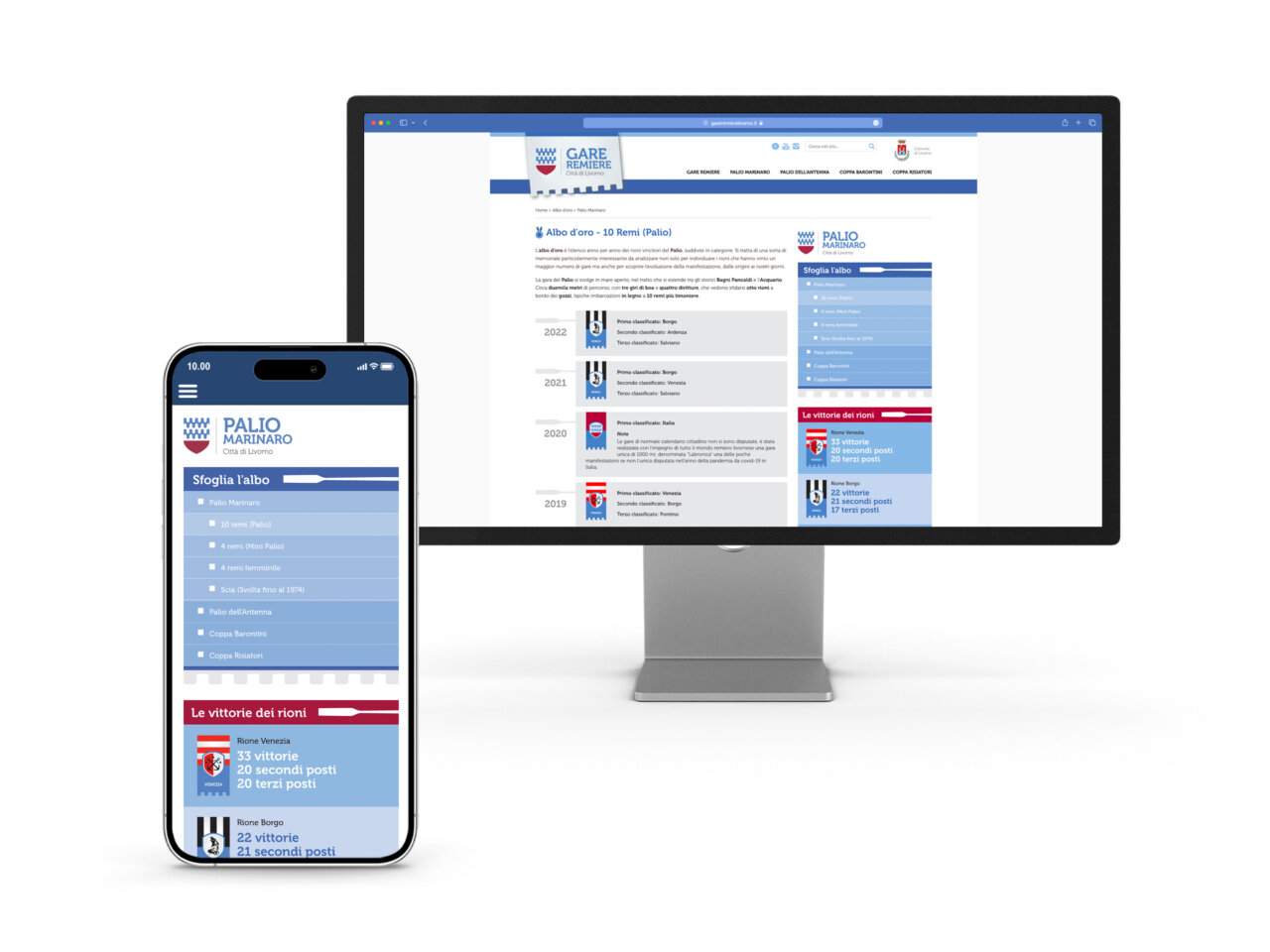
Equally complex was the historical research underpinning the production of the textual content. Thanks to the support of the Palio Marinaro Organising Committee and its President, we were able to recover and organise a substantial body of documents and publications from which all the texts for the new website were developed: the profiles of the various district boathouses and the most important historical figures, the roll of honour and the history of the races, as well as information and curiosities about the gozzi, the courses and the different race locations.
The solutions
Ensuring that such a significant change was positively received by the Livorno boathouses—overcoming the natural resistance of an environment deeply and rightly attached to tradition—proved to be a truly stimulating and enjoyable challenge, which we translated into a range of activities:
- Historical and stylistic analysis
- Development of the brand strategy and content strategy
- Design of the brand’s visual identity, including applications for the various races and all district crests
- Copywriting and editorial content development
- Photographic and video art direction
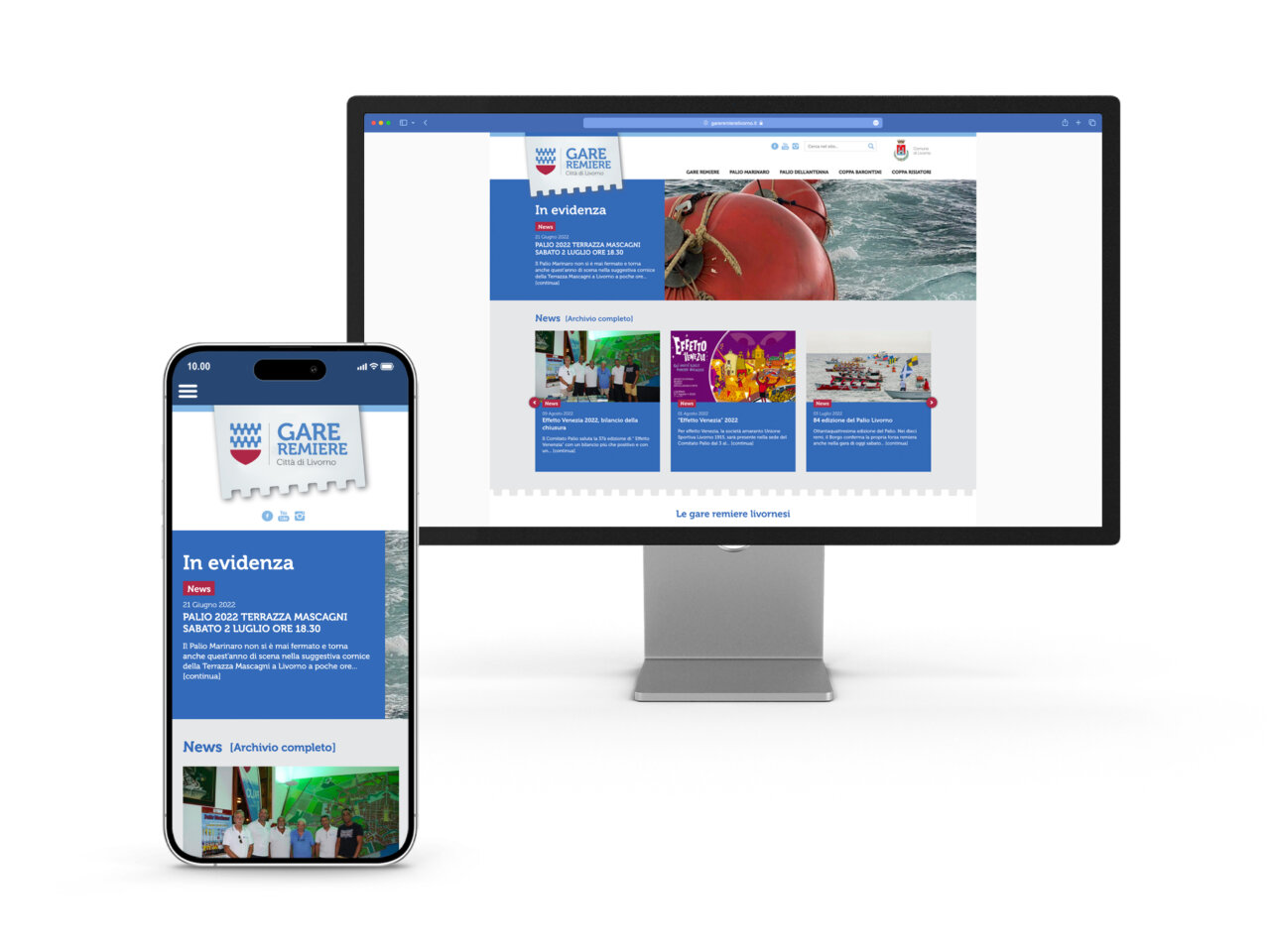
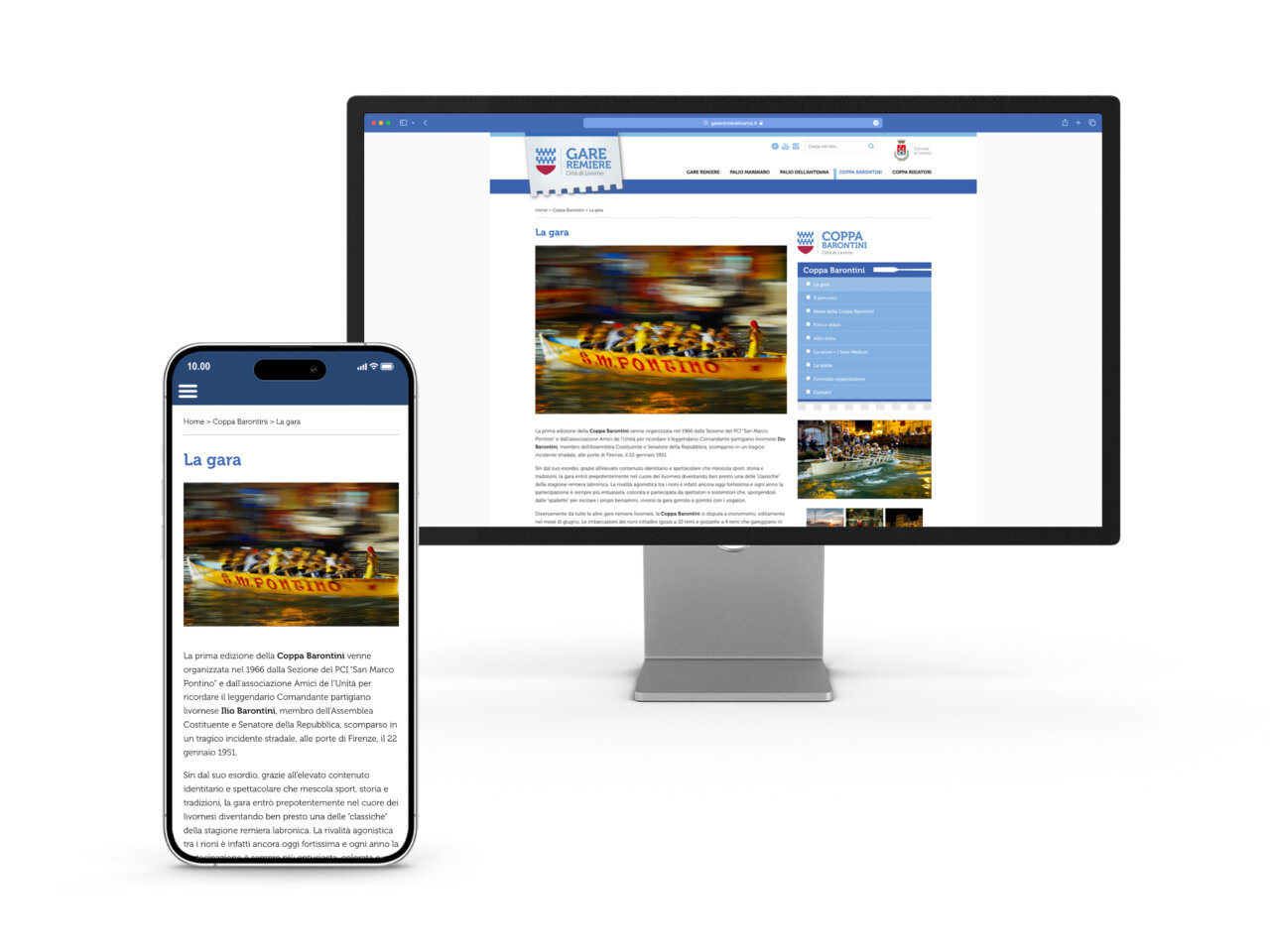
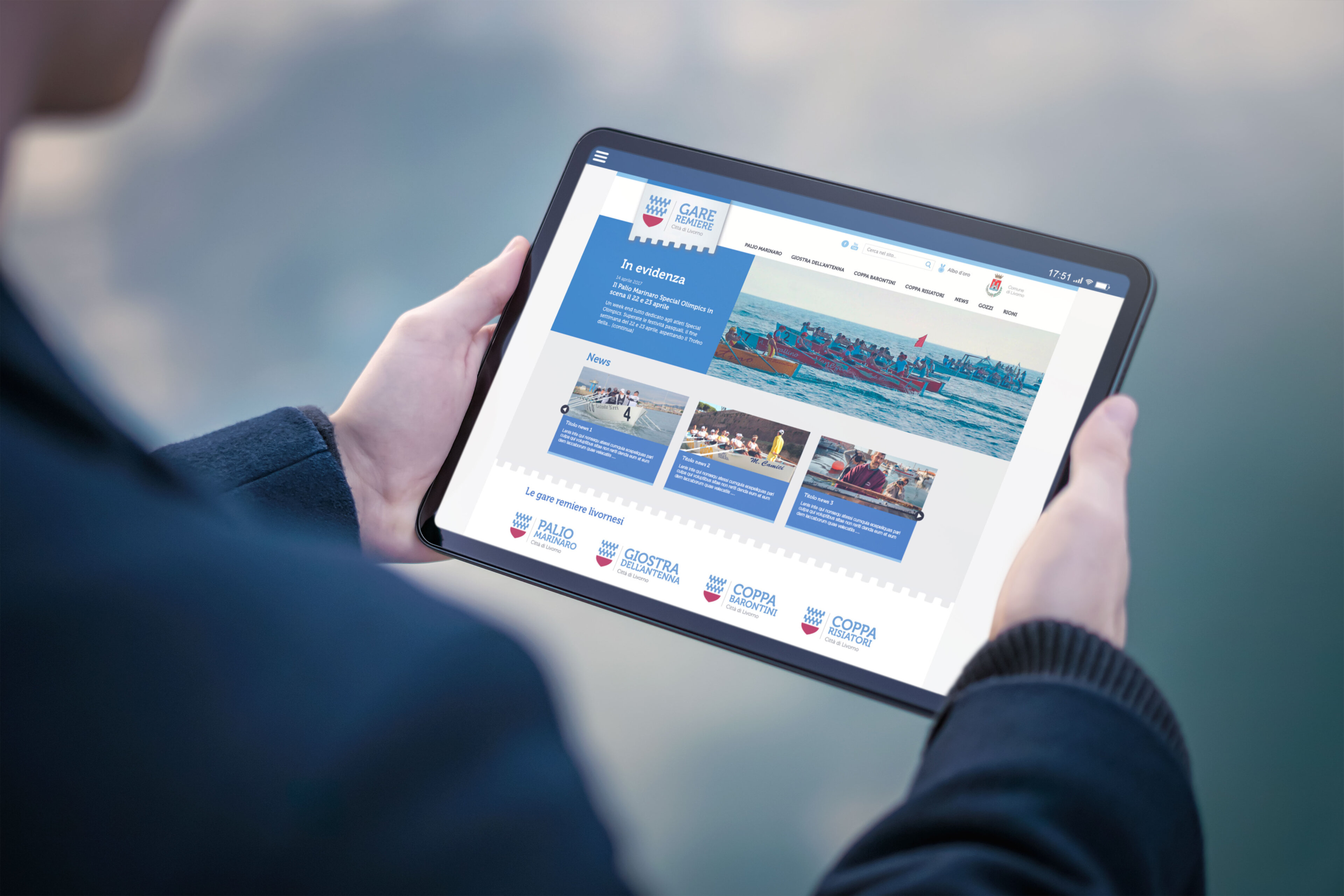
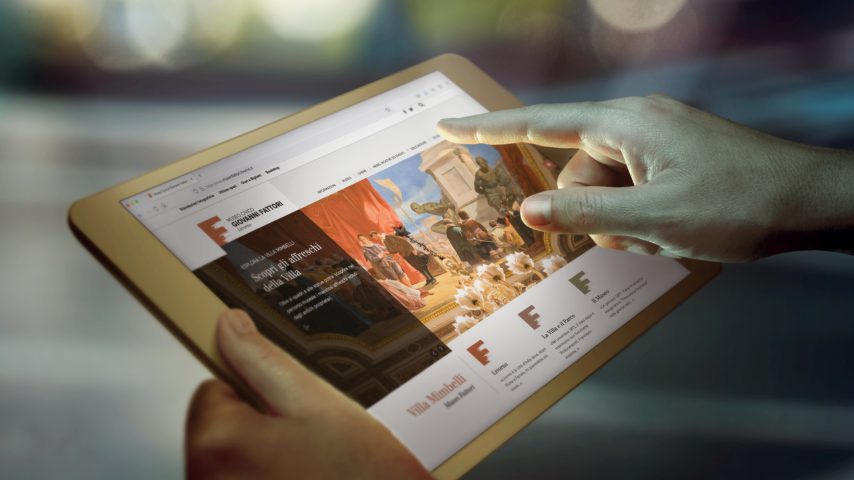
- Design and development of the new website
- Design of the format and the main communication tools
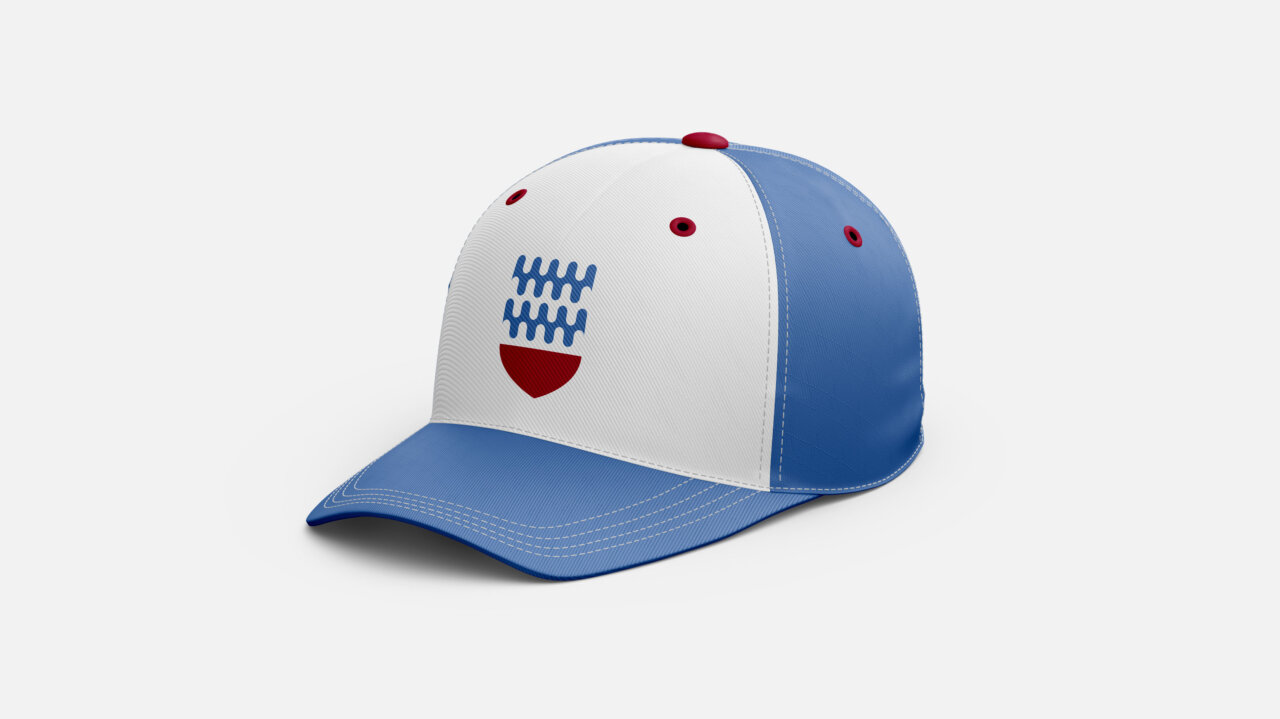
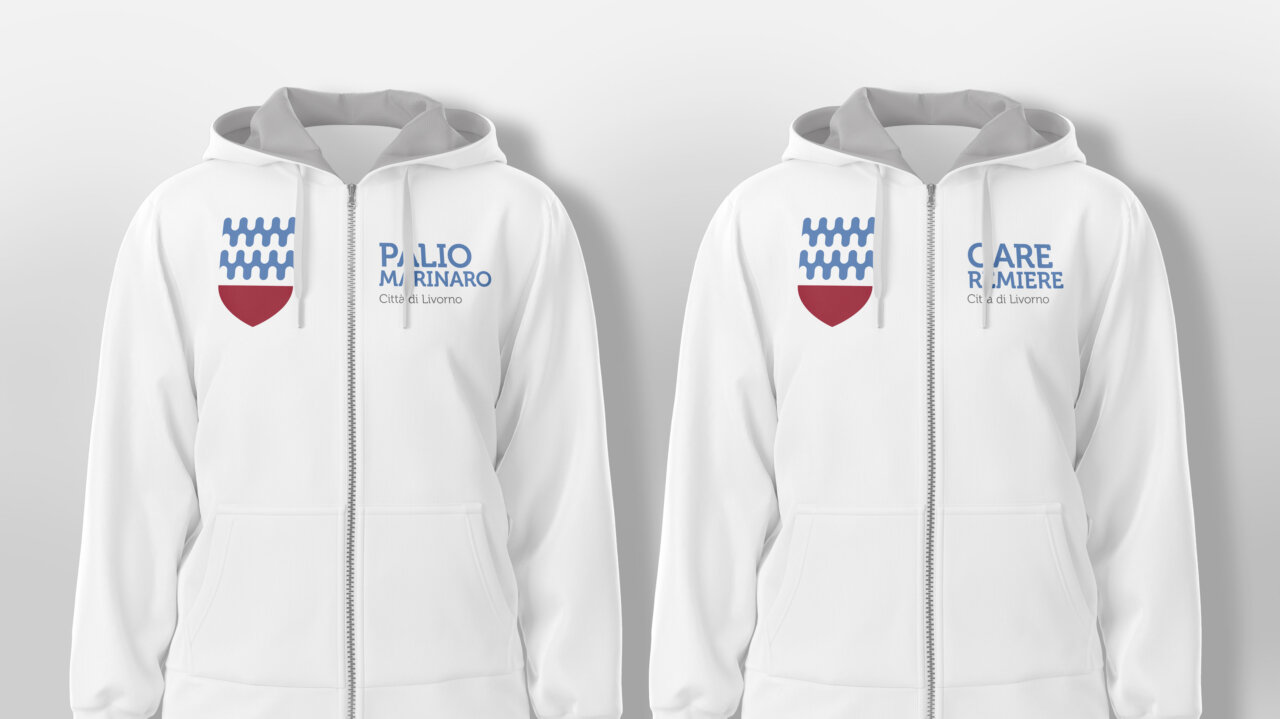
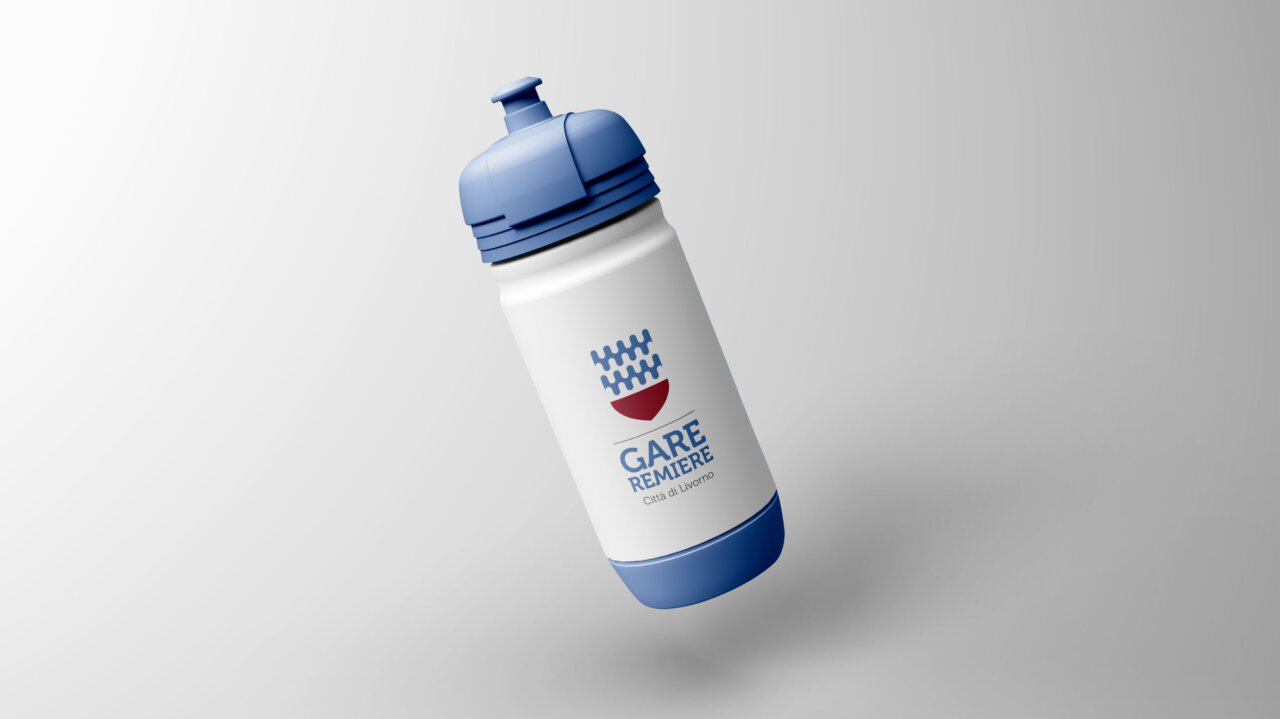
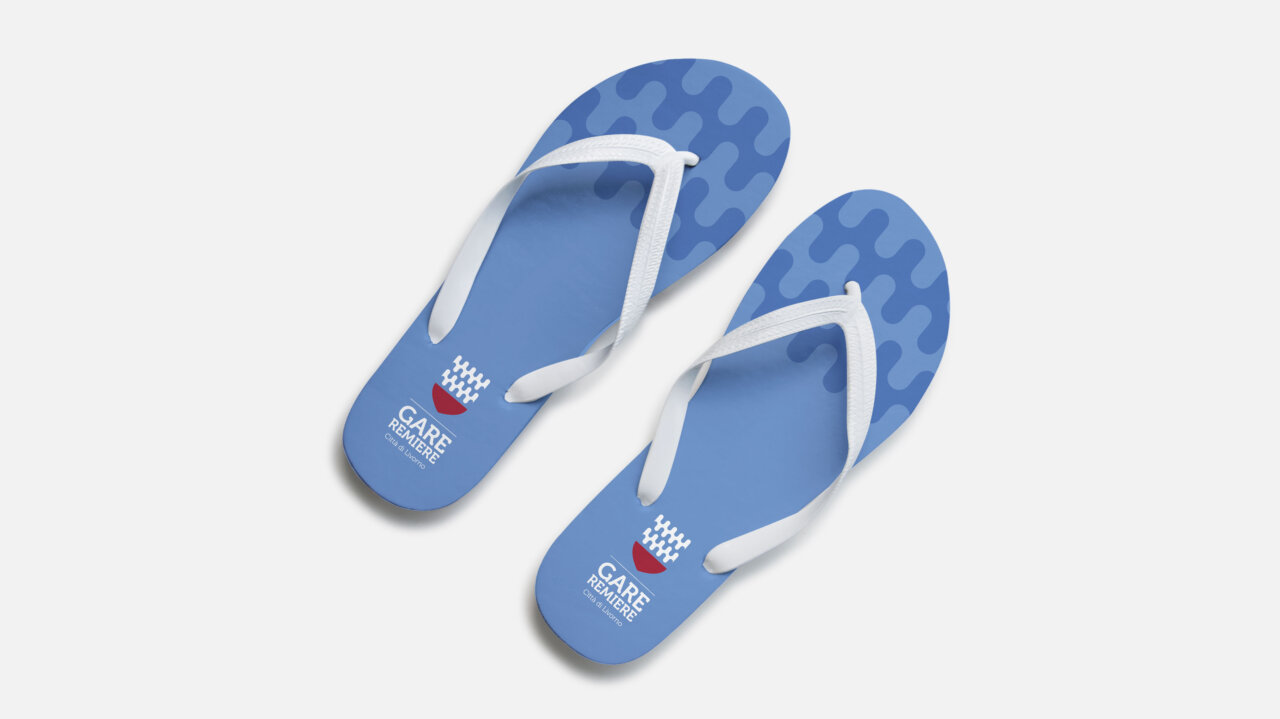
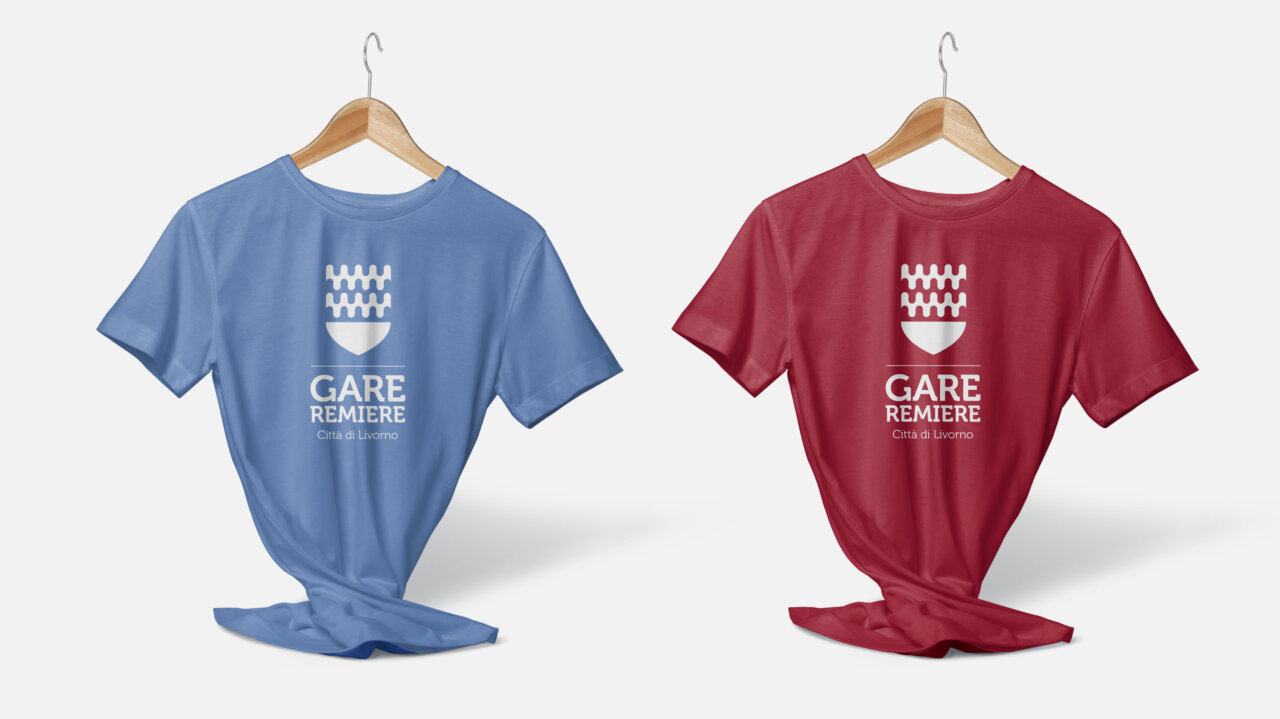
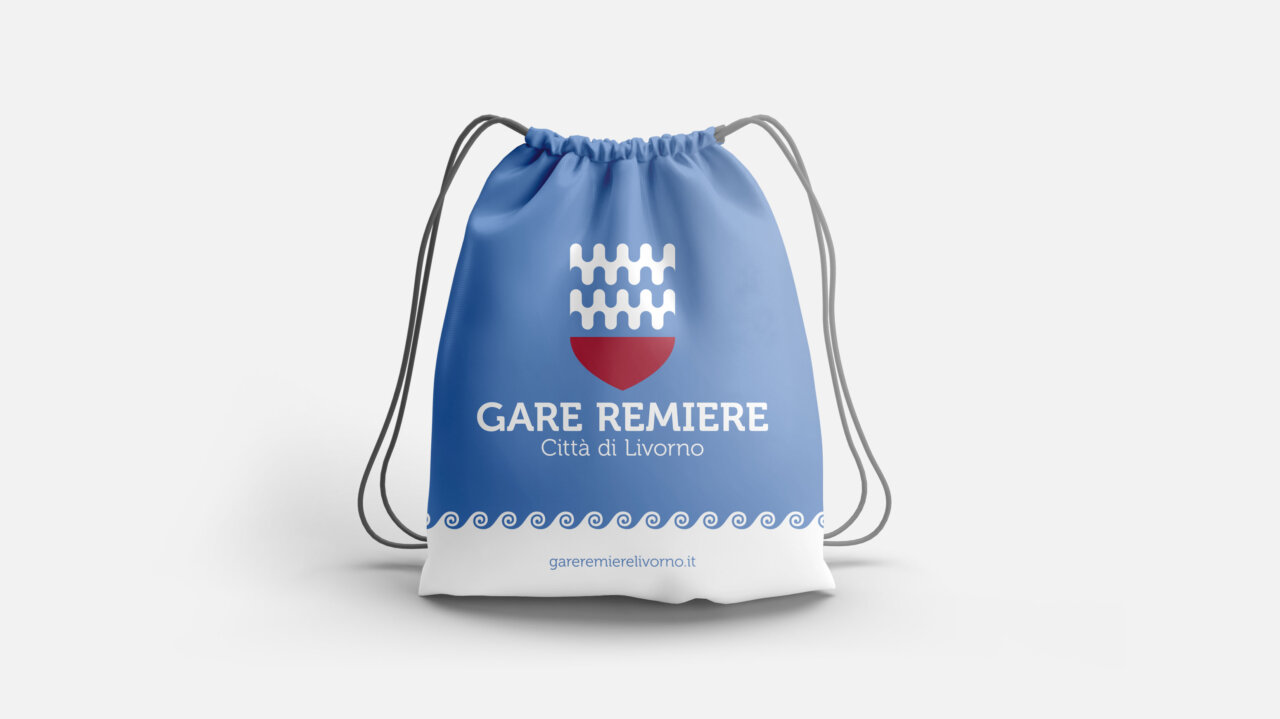
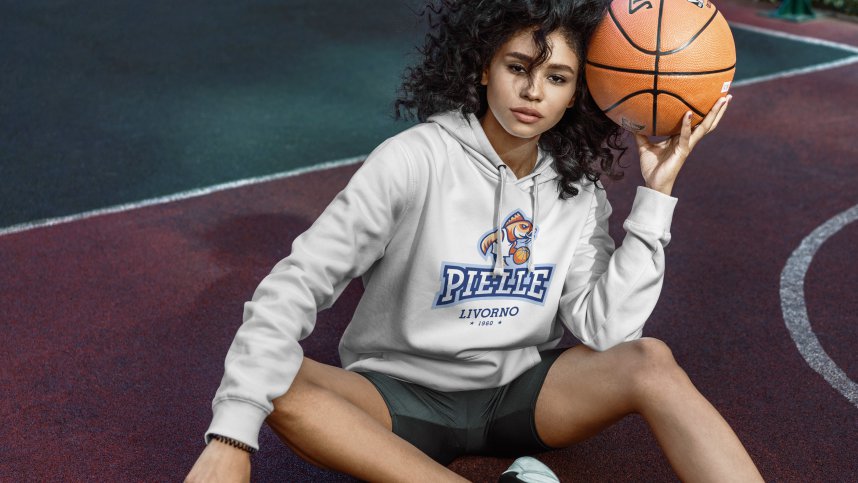
- Complete redesign of the merchandising
Photography by Andrea Dani, Marco Filippelli, Paolo Ciriello
Video by Laura Scatena



Get in touch!
Whether it’s well established or still to be built,
we work on the best communication for your brand.